Category: Uncategorized

The Power of the Visit: How Tourism Fuels Lake County’s Economic Engine

In Lake County, tourism is far more than a collection of summer festivals and weekend getaways; it is a multi-billion-dollar economic powerhouse that serves as a cornerstone of regional development. As we celebrated National Travel and Tourism Week (NTTW) this May at Six Flags Great America, the data reinforced a clear reality: tourism is a cornerstone of Lake County’s economy.

From the quiet trails of our forest preserves to the high-octane thrills of our theme parks, tourism supports local businesses, funds public infrastructure, and creates a diverse array of jobs. This year, as Six Flags Great America celebrates its 50th anniversary in Lake County, we are reminded that the hospitality industry is both a part of our history and a catalyst for future growth.

The $2 Billion Impact: Why Every Visitor Matters

“The travel industry in Lake County generates nearly $2 billion in annual visitor spending,” notes John Maguire, the president of Visit Lake County. “This capital flows directly into the cash registers of local restaurants, the payrolls of small boutiques, and the maintenance of the community’s hospitality infrastructure.”

The other benefit of this spending is the tax revenue it produces. Tourism in Lake County generates more than $68 million in local tax receipts every year. For residents, this is a vital contribution. These funds are reinvested into the community to pave roads, support first responders, and enhance local parks and schools. Without the influx of visitors, the tax burden on local households would be significantly higher to maintain the same level of public services.

A Workforce Built on Hospitality

Beyond the dollars and cents, tourism is one of Lake County’s largest employers. The industry currently supports 16,000+ jobs across the county. These roles span a massive spectrum of skill sets—from executive leadership at major resorts and marketing specialists at destination organizations to the frontline workers who ensure that every guest has a world-class experience. Their work creates a welcoming environment that encourages repeat visitation, ensuring that the economic cycle of tourism remains sustainable.

Six Flags Great America is an Anchor Business

There is no better example of tourism as a long-term economic anchor than Six Flags Great America in Gurnee. Since opening its gates 50 years ago, Six Flags has been a central pillar of Lake County’s identity, attracting millions of visitors from across the Midwest and around the globe.

A 300-acre theme park with 17 world-class roller coasters does more than provide entertainment; it acts as a magnet. A family visiting for the 50th Anniversary celebration—featuring drone shows, nostalgic entertainment, and specialty food—rarely visits the park in isolation. They stay in nearby hotels, dine in Gurnee and surrounding municipalities, and fill their gas tanks at local stations.

Six Flags’ commitment to innovation—from the introduction of the world’s tallest water coaster at Hurricane Harbor to its summer-long 50th-anniversary festivities—ensures that Lake County remains a premier destination in the competitive regional market.

“Six Flags is a central hub in Lake County, a place where residents and visitors alike gather together to enjoy our amenities and high quality of life,” noted Gurnee Mayor Tom Hood. “Gurnee continues to demonstrate the strength and vitality of its business community, with commerce, tourism, and investment helping drive economic momentum throughout the region. For 50 years, Six Flags Great America has been a cornerstone of that success — attracting visitors from across the Midwest, creating jobs, and contributing to the community in countless ways. We congratulate Six Flags on this incredible milestone and look forward to seeing its continued impact and growth in Gurnee for generations to come.”

The Collaborative Ecosystem

Lake County’s economic success is not an accident; it is the result of a highly coordinated economic development strategy, pursued in collaboration with local partners including Visit Lake County, local municipalities and leaders representing businesses of all sizes and industries.

Lake County’s vibrant tourism scene signals that the community is a dynamic place to live and work. It speaks to quality of life, safety, and community spirit. When businesses look to relocate or expand, they seek locations where their employees will be happy. Our robust hospitality industry provides the amenities—the festivals, the dining, and the recreation—that make Lake County an attractive destination for top-tier talent and corporate investment.

As we move into the heart of the 2026 tourism season, the outlook is exceptionally bright. With a 5% increase in regional interest and a packed calendar of events, Lake County is poised for another record-breaking year. Click here to see what’s in store.

From Connections to Construction: How Lake County is Turning Collaboration into Housing Momentum

Lake County recently took another tangible step toward addressing local housing supply by bringing together municipal leaders and developers for collaborative discussions intended to fuel development.

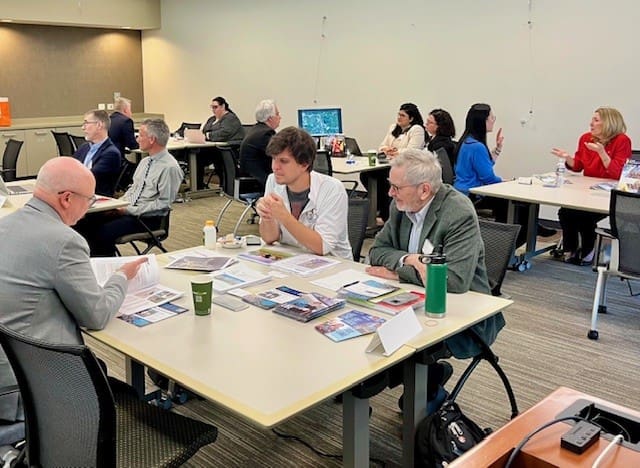
The event was sponsored by Old National Bank, and the format was fast-paced and intentional. Eleven municipalities sat down with eleven developers in a round-robin, five-minute matchmaking session. Community development staff brought forward real sites—places ready, or nearly ready, for multifamily housing. Developers, in turn, gained direct insight into where multifamily housing opportunities exist and which communities are actively seeking investment.

“At first glance, this event may seem like a straightforward networking exercise,” noted Connie Lavin, the Market President and Business Banking Director at Old National Bank and a long-time member of Lake County Partners’ Board of Governors. “In reality, it’s far more important because it reflects something much bigger: a coordinated, countywide strategy to align housing development with economic growth.”

Housing is Economic Infrastructure

Lake County has long been recognized as a strong business environment, driven by its workforce, infrastructure, and access to major markets. But increasingly, in part due to discussion that arose from the development of the community’s Comprehensive Economic Development Strategy (CEDS), leaders began teasing out the connections between housing availability and quality of life.

The CEDS calls for a more inclusive and forward-thinking approach to growth, emphasizing that long-term economic success depends on addressing challenges like attainable housing, affordability and early childhood care and education alongside traditional business development priorities such as taxes, utilities and incentives.

This shift has been significant. Historically, economic development strategies focused heavily on attracting and expanding businesses. Today, Lake County is broadening that lens—understanding that without a diverse and attainable housing supply, workforce attraction and retention become increasingly difficult.

“The recent multifamily networking event is far more than just a one-day initiative. It is a direct implementation of the CEDS vision: breaking down silos, fostering collaboration, and accelerating real, on-the-ground development opportunities,” notes Steve DeBretto, Lake County Partners’ Director of Strategic Initiatives.

Housing Lake and LCP’s work connecting municipalities with developers looking for their next project comes as housing creation gains statewide attention. Against the backdrop, Governor Pritzker’s Building Up Illinois plan proposes state-level policies on density, parking minimums, impact fees, and permitting that many municipalities say erode local control. Whatever the outcome of those legislative proposals, Lake County stakeholders are working to create housing that people across a range of incomes can afford.

From Strategy to Action: The Role of Housing Lake

If the CEDS provides the roadmap, the Housing Lake initiative is helping to drive execution. Housing Lake is a countywide coalition designed to bring together business leaders, elected officials, developers, and community advocates to create actionable strategies for increasing attainable housing. Its mission is clear: align stakeholders, identify barriers, and move projects forward in a way that reflects the character and needs of Lake County communities.

Recent actions through the Housing Lake initiative reflect a shift from planning to implementation, driven by an unprecedented level of cross-sector collaboration. Over a seven-month process, more than 175 leaders—including municipalities, developers, employers, and nonprofit organizations—worked together through structured workshops and data analysis to identify barriers and opportunities for housing growth across the county.

This effort culminated in a countywide “Call to Action,” which is a roadmap focused on expanding housing options for workers, seniors, and young professionals while addressing a shortage of more than 18,000 homes.

“We are focused on actionable housing solutions such as aligning local policies, improving development pipelines, and fostering public-private partnerships. We want to ensure that housing is treated not just as a community issue, but as a central pillar of Lake County’s long-term economic competitiveness,” notes Dominic Strezo, Lake County’s Community Development Administrator.

The recent multifamily networking event is an extension of the work that began with the CEDS and carried on with the Housing Lake initiative.

“One of the biggest challenges in housing development is fragmentation—municipalities may have sites but lack developer relationships, while developers may be searching for opportunities but lack visibility into local priorities,” noted DeBretto. “By putting both sides in the same room, the event removed friction from the process.”

It also did something equally important: it signaled intent.

Municipal participation demonstrated that communities across Lake County are not just open to multifamily housing—they are actively pursuing it. For developers, that clarity reduces uncertainty and helps de-risk potential projects.

Building a Pipeline, Not Just Projects

What makes this approach particularly effective is its focus on pipeline development rather than one-off deals.

“We are hopeful that our conversations will spark a future project, and create new opportunities for us to explore,” said Allison Matson, the Village Administrator at the Village of Wauconda. “We appreciated the efficiency of the networking, and the fact that we were all there to move multifamily development forward in a way that aligns with our region’s goals and high quality of life.”

“This was an incredible opportunity to meet so many Lake County municipal leaders and staff,” said Nick Anderson, President of Fern Hill Company. “Importantly, we also learned a great deal about each municipality’s housing goals and how the development community can work cooperatively with our public sector colleagues to put housing into production on immediately actionable sites while supporting long-range community planning goals.”

Over time, this kind of engagement builds momentum. It creates a steady flow of conversations, proposals, and, ultimately, construction activity.

That pipeline is critical. Housing shortages are not solved by a single development; they require sustained, coordinated effort over years. By institutionalizing collaboration through events like this, Lake County is laying the groundwork for long-term success.

Aligning Growth with Community Character

Of course, increasing housing supply is not just about quantity—it’s about fit.

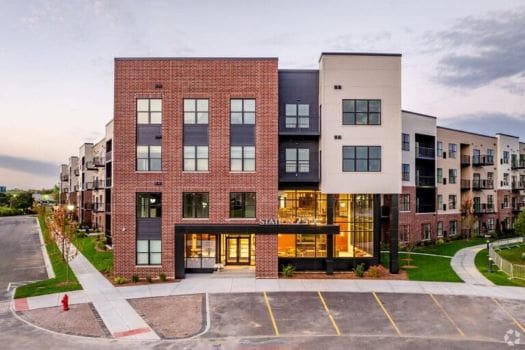
deerfield housing development

One of the strengths of the speed networking model is that it allows municipalities to present sites within the context of their community vision. Rather than reacting to unsolicited proposals, local leaders can proactively guide development toward locations and formats that align with their goals.

This approach reflects another key principle embedded in both the CEDS and Housing Lake: growth should be thoughtful and inclusive.

Lake County’s strategy acknowledges that different communities have different needs. Some may prioritize transit-oriented development, while others focus on workforce housing near employment centers. By fostering direct dialogue between municipalities and developers, the county is enabling more tailored, context-sensitive solutions.

A Competitive Advantage for Business Growth

The implications of this work extend far beyond housing.

For companies considering expansion or relocation, housing availability is increasingly a deciding factor. A strong housing pipeline supports talent attraction, reduces commute burdens, enhances overall quality of life, and ultimately contribute to a region’s competitiveness.

Lake County Partners has long emphasized the importance of a holistic business environment, connecting companies with workforce, infrastructure, and community resources. Efforts that promote housing accessibility expand that value proposition by ensuring that development keeps pace with economic growth.

In other words, housing is no longer a secondary consideration—it is a central component of Lake County’s business strategy.

Collaboration as a Catalyst

Perhaps the most important takeaway from the event is the power of collaboration and coordinated strategy, and this is a cornerstone for which Lake County is known.

The CEDS was built through extensive engagement with business, education, and civic leaders across the region, emphasizing alignment as a key driver of success. Housing Lake has continued that tradition by bringing diverse stakeholders together around a shared goal.

The speed networking event is a natural extension of this philosophy. It demonstrates that when the right people are in the room—and when conversations are structured with purpose—progress can happen quickly.

Looking Ahead: Prioritizing Housing

As Lake County continues to prioritize housing within its economic development strategy, similar initiatives will play a key role in maintaining momentum.

The challenge now is to build on this foundation by tracking outcomes, supporting projects as they move through the development pipeline, and continuing to identify new opportunities for collaboration.

If successful, the impact will be far-reaching.

More multifamily housing will mean greater accessibility for workers at all income levels. Communities will be better positioned to grow sustainably. Businesses will benefit from a deeper, more stable talent pool.

And perhaps most importantly, Lake County will continue to demonstrate that economic development is not just about growth. It’s about creating a place where that growth is shared, supported, and sustainable.

Unified Strength, Local Impact: How the Greater Chicagoland Economic Partnership is Building a Global Super Region & Strengthening Lake County, Illinois

In the world of economic development, the “old way” of doing business was often a zero-sum game—counties competing against their neighbors for the same slice of the pie. But as the Greater Chicagoland Economic Partnership (GCEP) 2025 Year in Review makes clear, Chicagoland has pivoted and is playing a much bigger game.

“If we could call the first year of GCEP an exploration of structured regionalism in the Chicagoland area, and the second year an expansion of it, then 2025 can only be characterized as a year of maturation and acceleration,” notes Doug Pryor, the Vice Chair of GCEP and the president and CEO of the Will County Center for Economic Development. “Building upon the momentum and collaborative frameworks established in previous years, 2025 reinforced our commitment to elevating Chicagoland as a unified economic force on the global stage. This year marked several significant milestones that demonstrate the strength of our regional partnership.”

By uniting the City of Chicago and the seven surrounding counties (Cook, DuPage, Kane, Kendall, Lake, McHenry, and Will), GCEP has elevated the Chicago metropolitan region’s status as a global economic powerhouse. The results extend beyond data into groundbreakings, ribbon cuttings, international delegations, thousands of new jobs across the community and a historic winning streak that has made Chicagoland the #1 U.S. metro for corporate relocations and expansions for the 13th consecutive year.

In Lake County, 2025 wasn’t just a good year; it was the county’s best year on record for economic growth—a contributing factor in Lake County’s designation as one of the top 10 counties in the U.S. for economic development. This isn’t a regional participation trophy; it is a ranking against over 3,000 counties nationwide.

As a proud partner in this regional alliance, Lake County has leveraged the collective strength of Chicagoland to secure high-value investments that solidify its status as a global hub for life sciences, advanced manufacturing, and corporate innovation.

The Power of Partnership: Chicagoland’s Value Proposition

The most significant headline of 2025 is Chicagoland’s retention of its crown as the #1 U.S. metro for corporate relocations and expansions for the 13th consecutive year. This ranking, awarded by Site Selection Magazine, is a testament to the region’s enduring stability.
In 2025, World Business Chicago (WBC) tracked a record 223 “Pro-Chicagoland Decisions” (PCDs)—representing a massive 40% year-over-year increase in companies choosing to move to or grow within the region. These decisions accounted for:

  • 19,600 new and retained jobs
  • $1.7 billion in estimated annual earnings
  • 26 million square feet of commercial and industrial space

One of Chicagoland’s greatest structural advantages is its lack of reliance on a single industry. No single sector accounts for more than 13% of the regional GDP, a level of diversity that provides a natural hedge against market volatility.
The 2025 project breakdown illustrates this strength:

  • Manufacturing (38% of projects): Remains the bedrock of the region, fueled by reshoring trends and advanced production.
  • Professional, Scientific & Technical Services (16%): Reflects a thriving ecosystem for engineering and high-tech innovation.
  • Transportation & Warehousing (13%): Anchored by the nation’s premier multimodal logistics network.

While established industries remain strong, Chicagoland is rapidly becoming a magnet for “Growth Capital.” In 2025, regional companies raised a total of $6.0 billion in growth capital—a significant jump from the previous year.

Investors are increasingly betting on Chicagoland’s strengths in:

  • SaaS and AI/Machine Learning
  • Climate Tech and CleanTech
  • HealthTech and Life Sciences

High-profile wins like the groundbreaking of the Illinois Quantum and Microelectronics Park and major expansions by companies like Abbott Labs and Vantive highlight the region’s growing dominance in next-generation technology.

GCEP’s 2025 report also confirms that Chicagoland is the undisputed logistical heart of North America. O’Hare International Airport was named the #1 U.S. port by trade value, handling a staggering $423 billion in trade—a 28% increase from 2024.

vantive ribbon cutting

This global connectivity is supported by the CenterPoint Intermodal Center, the largest inland port in the nation, making Chicagoland the most efficient place to move goods across the continent.

At the core of every “Pro-Chicagoland Decision” is the search for talent. The region boasts a labor force of nearly 5 million people, larger than the workforces of 41 U.S. states. Even better, local talent is self-renewing:

  • 150,000+ graduates annually from world-class universities
  • 3.2 million residents with an associate’s degree or higher
  • A top-10 national ranking for Computer and Mathematical occupations

GCEP was founded on a simple premise: the region is stronger together. By pooling resources and coordinating the pitch to global site selectors, the partnership has elevated the entire region’s profile. In 2025, this strategy paid off as it streamlined the front door for businesses looking to enter the Illinois market.

Whether a company needs the urban density of the Loop or the cutting-edge pharmaceutical campuses of Lake County, GCEP ensures that business leaders find a home within the region instead of in a competitor state.

What Does This Mean for Lake County?

While the regional success is impressive, Lake County’s individual performance within the partnership has been nothing short of historic. The fiscal impact of this success in 2025 alone is staggering:

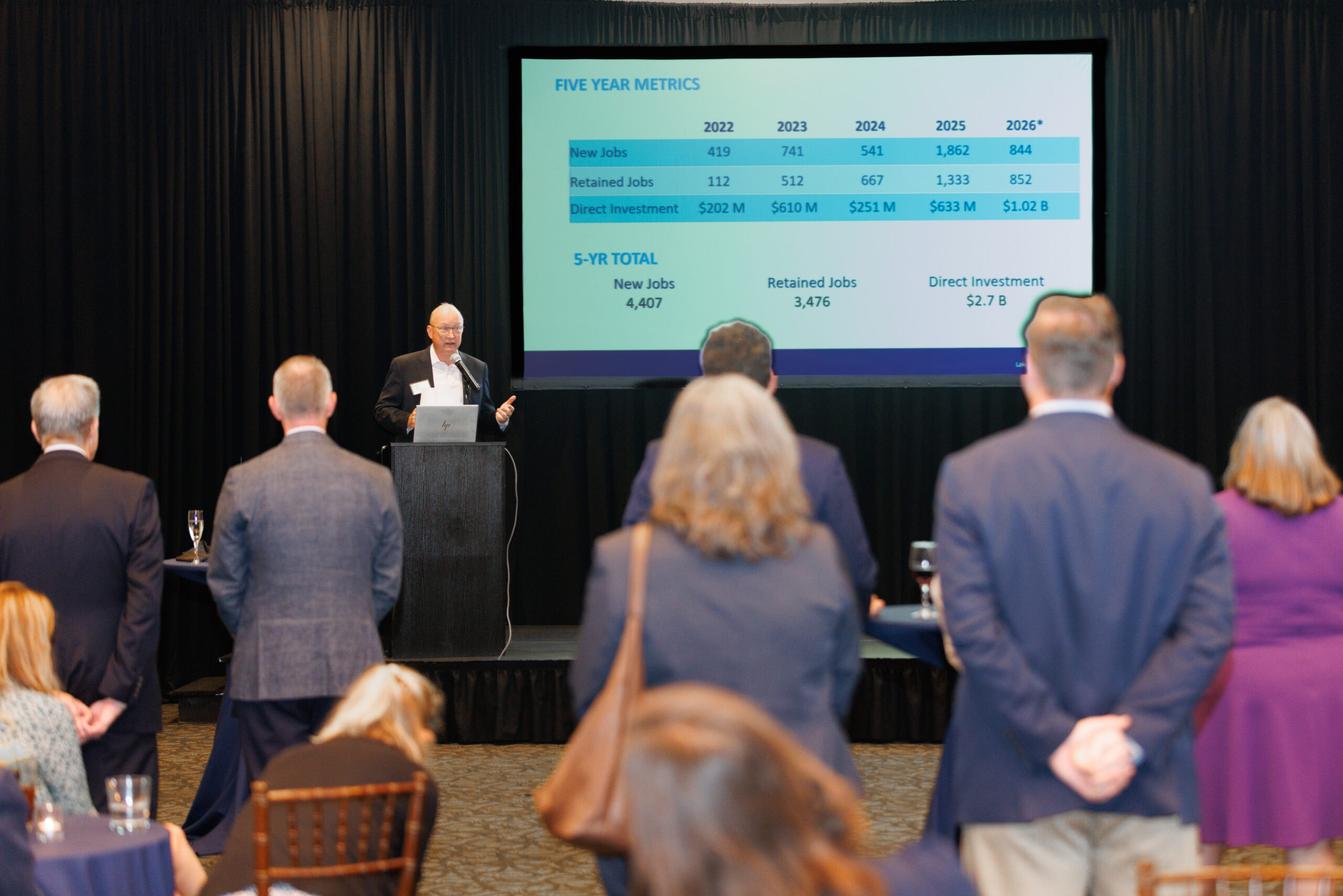
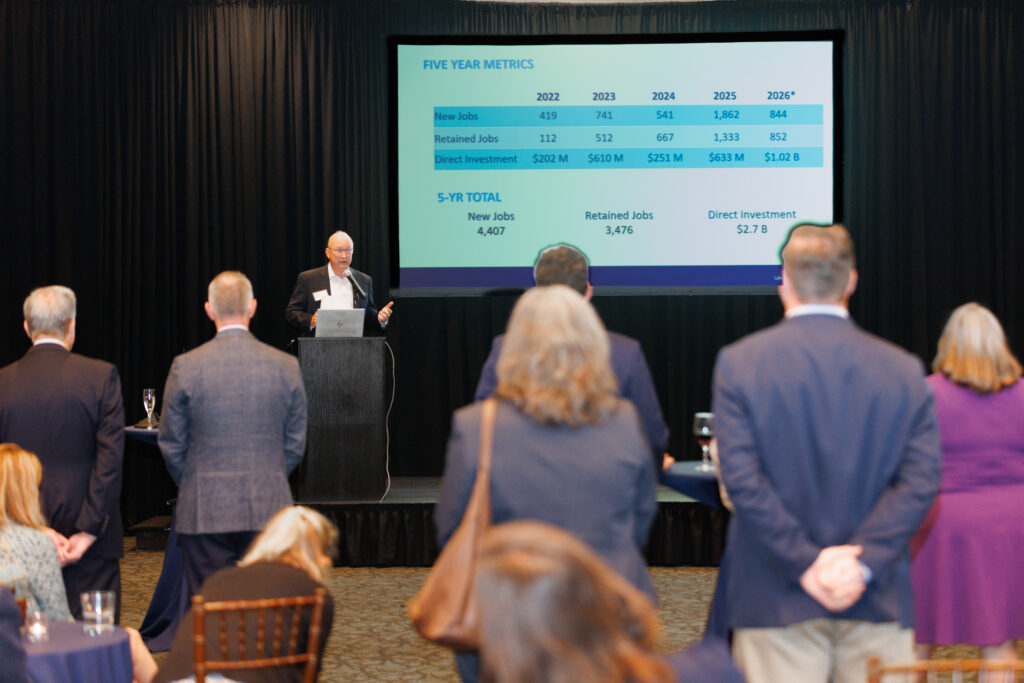
  • $633 Million in new capital investment
  • 1,862 New Jobs
  • 1,333 Jobs Retained

The success of GCEP and Lake County Partners is best seen through the lens of the iconic brands choosing to grow here. These aren’t just business transactions; they are votes of confidence in our workforce and our future.

1. Global Headquarters Consolidation: Fortune Brands Innovations

One of the biggest wins of 2025 was the consolidation of Fortune Brands Innovations into a single global headquarters in Deerfield. After a competitive nationwide search, the company chose Lake County for its 358,000 sq. ft. Class A office campus. Why? Because, according to the company, of Lake County’s “exceptional workforce and culture of innovation.” They are currently two years ahead of their hiring goals, with capacity for over 1,000 associates.

2. The Life Sciences Powerhouse: AbbVie, Plano Pharmaceuticals & Endotronix

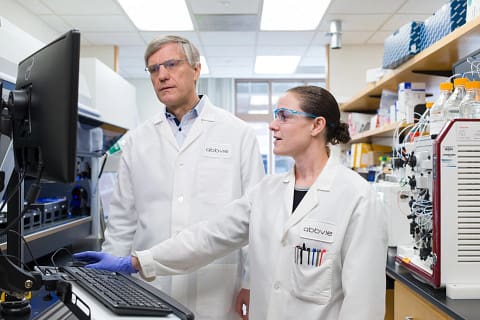
Lake County continues to dominate the life sciences sector. AbbVie reinforced its deep roots in North Chicago with a $192 million capital investment to expand manufacturing capacity. Meanwhile, Plano Pharmaceuticals selected Lake County for its new headquarters, as a biopharma powerhouse. In nearby Dupage County, medical device company Endotronix expanded beyond a healthcare startup incubator, was acquired by Edwards Lifesciences and received FDA approval of its flagship product, the Cordella PA Sensor, which manages heart failure.

3. Advanced Manufacturing: Flex, Freedman Seating and AFA Dispensing

Advanced manufacturing remains the backbone of our local economy. Flex announced a major investment in Libertyville, creating new jobs and building upon Flex’s existing presence in Buffalo Grove—proving that when companies land in Lake County, they stay and grow. In Chicago, Freedman Seating secured new investment to modernize its manufacturing operations, retain nearly 700 jobs, and create additional positions—reinforcing its long-standing role as a leader in transportation seating manufacturing.

Similarly, AFA Dispensing in McHenry County experienced significant growth through facility expansion and increased production capacity, positioning the company to meet rising global demand while adding new jobs and strengthening the region’s advanced manufacturing ecosystem. Together, these wins underscore how coordinated regional efforts are successfully supporting legacy manufacturers and high-growth companies alike—driving job creation, capital investment, and long-term economic competitiveness across Chicagoland.

4. Transportation, Distribution & Logistics: RJW Logistics

Chicagoland has long held a top position as one of North America’s premier transportation, distribution, and logistics hubs—anchored by its unmatched multimodal infrastructure, central location, and access to national and global markets. This strength continues to attract major supply chain and e-commerce players seeking speed, efficiency, and connectivity. A standout example is RJW Logistics Group in Kendall County, which expanded its regional footprint with new, large-scale warehouse capacity and job creation to support growing demand from national retail and e-commerce clients.

5. Food Preparation: The Fresh Factor & Savor

Chicagoland continues to stand out as a powerhouse in food preparation and production, supported by its central location, robust supply chain, and access to top-tier talent. The region saw notable growth from companies like The Fresh Factory in Will County, which expanded its operations to scale production of plant-based and better-for-you foods will keeping its existing jobs and adding an additional 100.

At Savor in Kendall County, the company advanced biotechnology backed by Bill Gates’ Breakthrough Energy Ventures to dramatically reduce the environmental footprint of food production and create animal-free butter and other fats without agriculture.

Together, these projects highlight how Chicagoland is fostering innovation in food manufacturing while creating jobs and strengthening one of its most dynamic industry clusters.

Beyond the Office: Building a Place for People

Economic development is about more than just square footage and tax revenue; it’s about quality of life. The 2025 GCEP report highlights a regional shift toward “holistic growth,” ensuring that as communities attract businesses, they also build the infrastructure to support their employees.

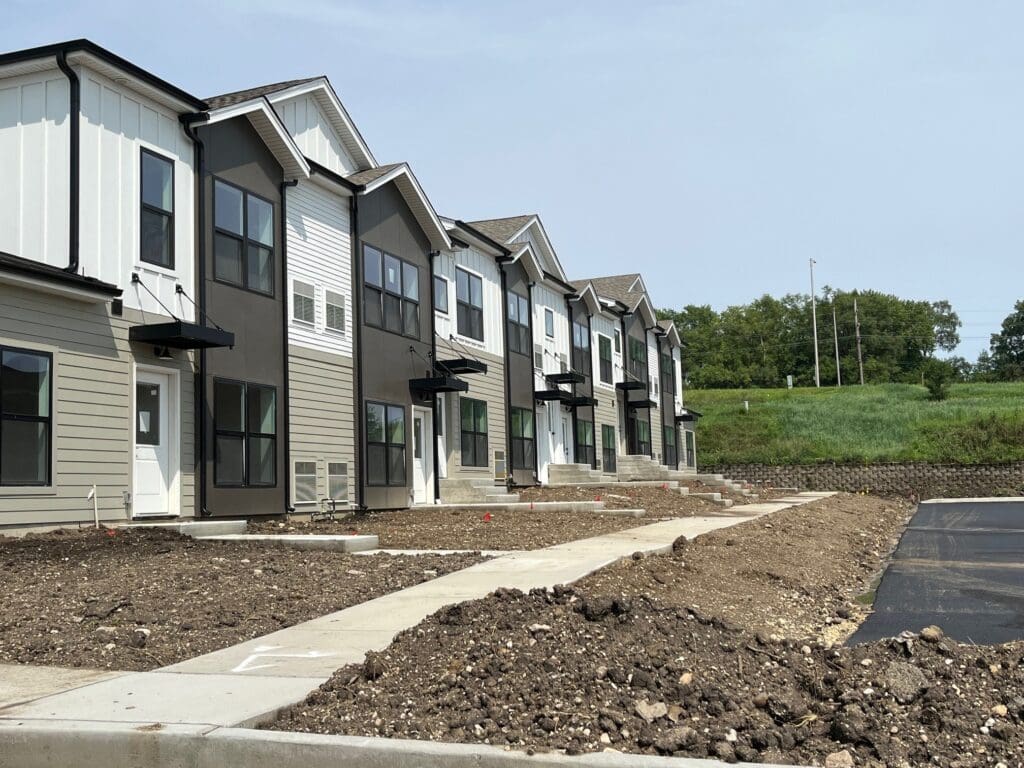
In Lake County, this has manifested in a major push for “missing middle” housing. A standout project is “The Quarry” in Fox Lake, a $41 million investment delivering townhome-style apartments. By creating vibrant, walkable communities, Lake County can ensure that the talent being recruited by companies like AbbVie and Fortune Brands has a place to happily call home.

Economic development is about more than just square footage and tax revenue; it’s about quality of life. The 2025 GCEP report highlights a regional shift toward “holistic growth,” ensuring that as communities attract businesses, they also build the infrastructure to support their employees. In Lake County, this has manifested in a major push for “missing middle” housing. A standout project is “The Quarry” in Fox Lake, a $41 million investment delivering townhome-style apartments. By creating vibrant, walkable communities, Lake County can ensure that the talent being recruited by companies like AbbVie and Fortune Brands has a place to happily call home.

Why the GCEP Model Works for Lake County

You might wonder: If Lake County is so successful on its own, why does it need GCEP?

The answer lies in the complexity of the modern global economy. When a major international firm considers a move, they don’t look at county lines; they look at the talent pool, the airport access, and the supply chain. By working with GCEP, Lake County Partners can:

  • Broaden the Talent Pipeline: Business can draw from a regional workforce of millions, supported by a “cradle-to-career” educational system that includes the College of Lake County, Rosalind Franklin University and world-class universities in Chicago.

  • Leverage Infrastructure: Businesses benefit from O’Hare’s global reach and the local rail network, assets that are marketed more effectively as a unified region.

  • Share Intelligence: Regional data sharing allows partners to identify emerging industry trends—like the rise of quantum computing or green energy—long before competitors do.

  • Be a Part of Regional Strategy: GCEP is a vehicle for collaboration, and Lake County’s participation puts local leaders at the forefront of business attraction and retention strategies, ensuring that perspectives from Chicago’s northern suburbs are equally represented.

Looking Ahead: The Future is Regional

GCEP’s 2025 Year in Review is both a victory lap and a roadmap. The challenges of the future—from digital equity to sustainable energy—are too large for any one municipality to tackle alone.

Looking toward 2026, Lake County remains committed to the Greater Chicagoland Economic Partnership. Regional collaboration doesn’t dilute local identities; it amplifies them. Another record-breaking year is proof that when we stop competing with neighbors and start competing with the world, everyone wins.

From Global Innovation to Local Impact: Flex Powers Forward in Lake County & Wins Community Investment Award at Big Event

For companies operating at the cutting edge of advanced manufacturing, growth is rarely accidental—it’s the result of long-term vision, deep expertise, and a willingness to invest in the right communities. Flex exemplifies that approach. As a global manufacturing partner helping customers design and build products that improve the world, Flex has steadily expanded its capabilities and footprint, pairing innovation with a strong commitment to the regions where it operates.

That commitment is especially evident in Lake County, where Flex’s continued investment, job creation, and advanced manufacturing leadership have made a measurable local impact. It’s this combination of global excellence and community focus that has earned Flex the Community Investment Award from Lake County Partners—a recognition that speaks to both business success and meaningful regional engagement.

Flex has long been the manufacturing partner of choice for companies looking to design and build products that improve the world. With operations spanning 30 countries, the company brings together a global workforce, deep technical expertise, and a focus on responsible, sustainable practices. Its ability to deliver innovation across technology, supply chain, and manufacturing has made it a critical partner across a wide range of industries—from data center infrastructure to industrial applications and communications systems.

A key part of that impact comes from Flex’s Health Solutions business. Flex has helped healthcare companies bring complex medical products to market for decades—quickly, reliably, and at global scale. From medical devices and equipment to drug delivery systems, the company offers end-to-end lifecycle support backed by vertically integrated capabilities, rigorous quality systems, and a resilient supply chain. This combination enables customers to navigate increasing complexity while meeting stringent regulatory requirements.

That global strength is reflected in Lake County. Flex has built a substantial, well established local footprint, supported by a skilled workforce across multiple sites, underscoring the company’s long term commitment to the community.

Locally, Flex’s operations are deeply rooted in the healthcare sector, with a focus on high-volume drug delivery and medical device manufacturing. These facilities showcase a high level of vertical integration, from new product introduction (NPI) and in-house component production to precision plastic molding, tooling, and device assembly. Advanced manufacturing technologies—such as real-time production visibility, high-speed automated assembly, and automated inventory systems powered by Autonomous Mobile Robots (AMRs) and Automated Storage and Retrieval Systems (ASRS)—ensure both efficiency and consistent quality.

But Flex’s success story is also a reflection of something bigger: why Lake County continues to stand out as a destination for growing businesses—especially in advanced manufacturing.

Situated within the greater Chicago metropolitan area, Lake County offers companies immediate access to one of the most robust transportation and logistics networks in North America. Proximity to major interstates, rail lines, and global air freight hubs enables efficient movement of goods and materials—an essential advantage for manufacturers operating at scale.

Equally important is the region’s deep and highly skilled talent pool. Lake County benefits from a strong pipeline of engineers, technicians, and production specialists, supported by nearby universities, technical colleges, and workforce development initiatives. This talent base is particularly critical for companies like Flex that rely on precision, quality, and advanced technical capabilities.

Lake County has also cultivated a collaborative business environment that encourages innovation and long-term investment. Organizations like Lake County Partners play a key role in aligning public and private resources, helping companies expand, modernize, and connect with local opportunities. This kind of coordinated support reduces barriers to growth and accelerates time to market.

Another defining strength is the region’s established ecosystem of advanced manufacturing and life sciences companies. Businesses in Lake County are not operating in isolation—they are part of a dense network of suppliers, partners, and industry leaders. This clustering effect fosters knowledge sharing, supply chain resilience, and faster innovation cycles, particularly in highly regulated industries like medical devices and drug delivery systems.

Infrastructure and technology readiness further reinforce Lake County’s appeal. Facilities across the region are increasingly equipped to support automation, digital manufacturing, and Industry 4.0 practices—mirroring the advanced capabilities seen in Flex’s local operations. This alignment allows companies to scale efficiently while maintaining high standards for quality and compliance.

Finally, Lake County offers something that is often overlooked but deeply valued: stability. Businesses benefit from a predictable operating environment, strong community support, and a quality of life that helps attract and retain top talent. For companies making long-term investments in people, technology, and infrastructure, that stability matters.

In this context, Flex’s continued growth in Lake County is no coincidence—it is a natural fit. The company’s focus on advanced manufacturing, innovation, and global scalability aligns seamlessly with the region’s strengths.

Accolades like Lake County Partners’ Community Investment Award underscore the importance of companies that invest not only in their own growth, but in the communities where they operate. Flex’s recognition by Lake County Partners is well deserved—and also a reminder of why Lake County remains a location of choice for forward-thinking companies shaping the future of advanced manufacturing.

College of Lake County Takes Home 2026 Talent Advancement Award

At the recent Big Event, Lake County Partners was proud to award the College of Lake County (CLC) with the 2026 Talent Advancement Award. CLC plays a critical role in shaping the future of our region. Through innovative programs, strong partnerships with employers, and a deep understanding of workforce needs, they are creating clear, accessible pathways from education to career. By providing an effective pathway to degrees and certificates, CLC is preparing students for in-demand roles in key industries like healthcare, manufacturing, and IT. Through expanding apprenticeships and work-based learning and aligning curricula with real-world industry needs, their impact is both immediate and lasting.

Strategic investments in facilities like the Advanced Technology Center in Gurnee and the downtown Waukegan campus further expand access to hands-on training and community-based workforce development. CLC’s commitment to equity, innovation, and regional partnerships—along with initiatives in emerging fields like clean energy and sustainable agriculture—demonstrates a sustained impact on local talent and economic growth across Lake County.

At CLC, they are not only educating students—they are strengthening businesses, supporting families, and helping ensure that opportunity is within reach for more people across Lake County. And what truly sets them apart is their commitment to collaboration. They listen. They adapt. And they lead with a clear focus on outcomes—making them an indispensable partner in our shared work to grow and sustain a competitive regional economy. The following outlines the many ways in which CLC is having a lasting impact on talent development in Lake County, Illinois.

Talent advancement in Lake County depends on strong connections—between education and industry, between data and decision-making and between opportunity and access. At College of Lake County, that work is intentional and sustained, bringing together employers, community partners and educators to build pathways that move individuals into high-demand careers and support long-term economic growth.

This approach is embedded in the Community Vibrancy pillar of CLC’s 2030 Strategic Plan, which focuses on expanding access to education, supporting students through completion and ensuring that credentials translate into meaningful workforce outcomes.

Strategies are backed by a multi-year effort to build a culture of evidence, aligning student success initiatives with shared data, consistent measurement and broader access to insights across the institution. The result is measurable progress in student outcomes:

  • First-to-second term retention increased from 74% to 79%, with gains for Black students (+8 points), Latinx students (+4) and part-time students (+7)
  • Three-year graduation rates increased 10 points, from 29% to 39% for first-time, full-time, credential-seeking students
  • Graduates increased by 16%, including a 40% rise in workforce-aligned certificate programs
  • Credentials awarded since FY19 increased 71%

CLC’s sustained progress has been reaffirmed through its recertification as a 2026 Achieving the Dream Leader College of Distinction, recognizing measurable gains and a strong culture of data-informed continuous improvement. CLC was also recently named among the 200 colleges eligible for the Aspen Prize for Community College Excellence, a marker of the dedication of faculty and staff to enact transformative change efforts in student access and success.

CLC’s Curriculum is Aligned with Industry Needs

CLC’s talent development strategy is grounded in direct collaboration through advisory boards with employers, economic development leaders and workforce partners. Academic programs are designed and continuously updated based on real-time labor market demand, ensuring students graduate with skills that translate immediately into the workplace.

Career pathways span high-demand industries including manufacturing, healthcare and information technology—fields critical to Lake County’s economic future. Hands-on training in manufacturing and skilled trades takes place at CLC’s Advanced Technology Center in Gurnee, where students learn to use industry-grade equipment that mirrors real-world environments.

Work-Based Learning Leads to Employment

Applied learning is a core component of the student journey at CLC. Through internships, apprenticeships and clinical placements, students gain practical, real-world training while building connections with local employers. CLC supports more than 73 apprenticeships across 17 employer partners, expanding access to earn-and-learn opportunities in high-demand fields. These experiences strengthen students’ skill development and often lead directly to employment opportunities within the region, helping retain talent in Lake County.

Responding to Workforce Needs

CLC is a key partner in advancing equitable access to career training through state-funded initiatives such as the Climate and Equitable Jobs Act (CEJA). Through CEJA-funded programs, CLC is expanding access to careers in clean energy, preparing students for emerging roles while supporting Illinois’ broader sustainability and workforce goals. These programs create pathways into growing industries while prioritizing equity and inclusion.

CLC’s Urban Farm Center in Waukegan further expands this work through community-based workforce development. When complete, the $21 million center will provide hands-on training in sustainable agriculture and food systems, creating accessible entry points to careers while addressing food access and economic opportunity in underserved communities.

Upskilling the Existing Workforce

In addition to preparing new entrants for the workforce, CLC supports incumbent workers through customized training and professional development. By partnering with employers, the college helps workers build new skills, adapt to evolving technology and advance in their careers. Serving new and existing workers ensures businesses can grow and maintain a competitive workforce.

Powered by Regional Partnerships

CLC’s impact is amplified through collaboration with organizations including Lake County Partners, Lake County Workforce Development and local school districts. Together, these partnerships create a connected talent ecosystem that supports individuals from early career exploration through long-term advancement.

Driving Economic Growth in Lake County, Illinois

By developing talent locally, CLC contributes directly to the strength and resilience of the regional economy. Employers gain access to a skilled, adaptable workforce, while residents benefit from clear pathways to family-sustaining careers.

The Talent Development Award reflects this sustained impact—recognizing College of Lake County as a leader in workforce innovation, a partner in shaping Lake County’s economic future and the place where every student succeeds and every employee thrives so that every business achieves and every community grows.

Lake County Partners’ 2026 Big Event Draws Hundreds of Business & Civic Leaders to Celebrate Community Impact & Regional Momentum

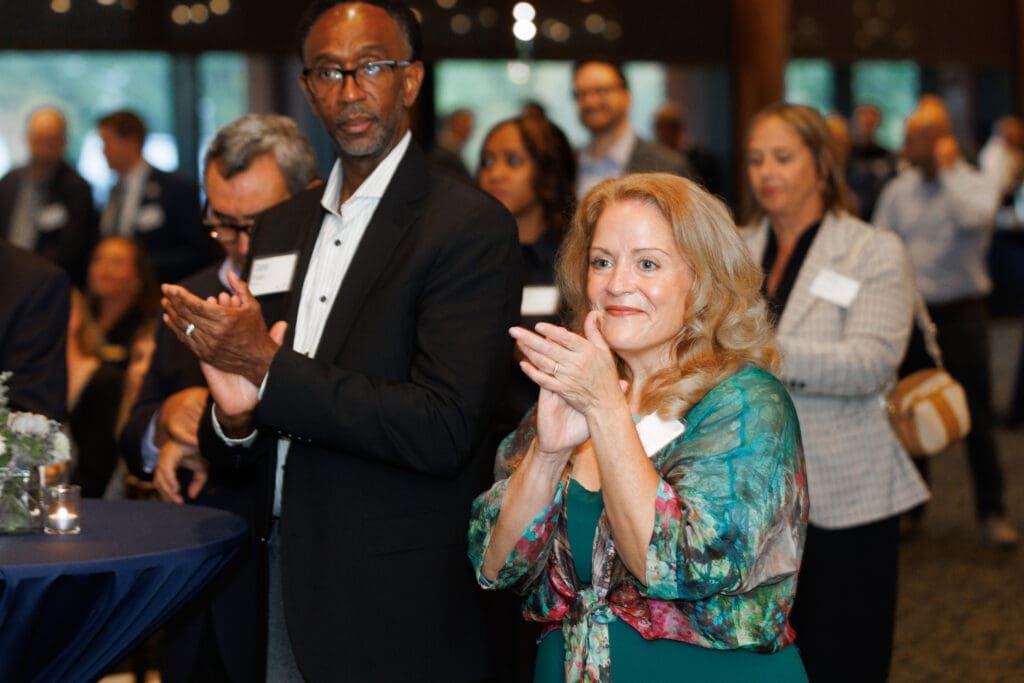
Hundreds of local business and civic leaders came together in full force for Lake County Partners’ 2026 “Big Event” — and the energy in the room made one thing clear: Lake County’s momentum has never been stronger.

Held at the Lincolnshire Marriott Resort, this year’s sold-out event welcomed a huge crowd of executives, entrepreneurs, educators, and community partners, all united around a shared vision for continued economic growth and opportunity across Lake County. From the moment doors opened, the atmosphere was electric. Attendees reconnected with colleagues, forged new partnerships, and engaged in meaningful conversations about the future of business, workforce development, and innovation in the region.

“A central theme throughout the morning was collaboration,” noted Dan Joyce, COO of Bath Concepts and Chair of Lake County Partners’ Board of Governors. “Lake County’s success is driven by the alignment of public, private, and educational partners working toward common goals – a strategy that is clearly paying off, with 2025 being our best year of economic growth on record, and Lake County being named one of the top 10 counties in the U.S. for economic development.”

“Our momentum showcases the strength of our county, the prioritization of workforce development, and our commitment to deliver a high quality of life for our residents,” echoed Sandy Hart, Lake County Board Chair and Big Event speaker. “With our region’s abundant resources, we are well-positioned to retain and attract businesses. Chicagoland has led the nation in corporate relocations for 13 years in a row – a testament to the power of our collective efforts to attract business, create jobs and serve as a national leader of strategic economic development.”

A highlight of the event was the presentation of two prestigious awards recognizing organizations that are making a lasting difference in Lake County.

The Community Investment Award was bestowed on Flex for the company’s recent expansion of its footprint in Lake County with a new facility dedicated to drug delivery devices. This expansion is creating new jobs, building on an already strong workforce across Flex’s multiple sites in the county.

“We are honored to receive the 2026 Community Investment Award for our impact in the Lake County community,” said Riccardo Butta, president of the Health Solutions business at Flex. “This award is a testament to our employees, whose passion and dedication make this impact possible. Our operations in the Chicago region manufacture medical devices and drug delivery solutions that improve the lives of the people who rely on them, further reinforcing Flex’s focus on making a positive difference in the communities we serve.”

The Talent Advancement Award was presented to the College of Lake County for its outstanding commitment to preparing the workforce of tomorrow and building critical talent pipelines for regional employers.

“We are honored by this recognition,” said President Dr. Lori Suddick. “This work is about more than education—it’s about creating opportunity. By working with local businesses and stakeholders and connecting our students with in-demand skills and meaningful career pathways, we’re helping to shape the future of Lake County’s economy.”

Beyond the awards and announcements, the Big Event served as a powerful reminder of what makes Lake County unique: a collaborative spirit, a forward-thinking mindset, and a shared commitment to progress. As attendees left the event energized and inspired, one message resonated above all—Lake County isn’t just keeping pace, it’s setting the standard.

With new opportunities on the horizon and partnerships continuing to deepen, the future looks bright for local businesses and communities. Lake County Partners’ Big Event once again proved to be more than a gathering—it was a celebration of success, a catalyst for connection, and a glimpse into what’s next.

The Big Event is made possible with generous support from the College of Lake County, Gorter Family Foundation, Hunter Family Foundation, Lake County, Old National Bank, Schreiber Philanthropy, Kinder Morgan, Abbott, Rosalind Franklin University of Medicine and Science, Bath Concepts, Boys & Girls Club of Lake County, BCU, CBRE, City of Hope, Clayco, Flex, Illinois Manufacturers’ Association, JP Morgan Chase, Lake County Workforce Development, Lake Forest College, Libertyville Bank & Trust, N.A., Lamar Johnson Collective, North Shore Gas, Steams Family Foundation, UCC Environmental, Van Vlissingen and Co., Wirtz Realty Corporation, World Business Chicago and Five Grain Events.

From Classroom to Career: How Education & Economic Development Go Hand-in-Hand in Lake County, Illinois

Strong communities and strong economies begin with strong schools. For business leaders, policymakers, and community partners across Lake County, the connection between education and economic development is not theoretical—it’s practical. The workforce of tomorrow is sitting in our classrooms today.

Ensuring those students arrive at school ready to learn is one of the most important investments we can make in the future of our region. That is the mission of the Lake County Regional Office of Education Foundation (LCROEF): to open doors for students and help them arrive at school every day equipped with the tools they need to succeed.

By focusing on practical, targeted solutions, the Foundation works to remove barriers to learning while expanding opportunity for students across Lake County.

How the Lake County Regional Office of Education Foundation Supports Student Success

The LCROEF’s work focuses on several key initiatives that strengthen the educational pipeline and prepare students for future success.

Early Literacy

  • Through a partnership with the Dolly Parton’s Imagination Library, children in Lake County can receive a free book delivered to their home every month from birth to age five.
  • Early exposure to books builds language development and reading skills before children ever enter a classroom.
  • Research consistently shows that early literacy is one of the strongest predictors of long-term academic success.

Next Step Grants

  • The Foundation provides Next Step Grants to graduating seniors pursuing:
    • College or university programs
    • Technical or trade training
    • Workforce certification programs
    • Other career pathways
  • These grants help remove financial barriers and encourage students to confidently pursue their future.

Strengthening Local Education Foundations

  • The LCROEF works with school districts to help build and sustain local education foundations.
  • Strong foundations allow communities to support innovation, expand opportunities, and provide additional resources for students.

Connecting Educators

  • Through the Articulation Council, educators from across Lake County collaborate to:
    • Share best practices
    • Align educational pathways
    • Strengthen the journey from early childhood through graduation

Why Do Educational Initiatives Matter to the Business Community?

While these efforts are rooted in education, their impact extends far beyond the classroom. A thriving regional economy depends on a prepared and capable workforce. Students who develop strong literacy skills, graduate with a plan for the future, and gain access to educational opportunities are far more likely to become the employees, innovators, and entrepreneurs who power local businesses.

That is why the work of the LCROEF aligns naturally with the broader economic development initiatives in Lake County, led by Lake County Partners.

The connection between these missions is clear. Strong schools create strong talent pipelines. Strong talent pipelines attract and retain businesses. Strong businesses strengthen communities.

Education and economic development are not separate conversations—they are part of the same ecosystem.

A Call to Action for Lake County Leaders

For Lake County to remain competitive and vibrant, collaboration between education, business, and civic leadership must continue to grow. Business leaders, policymakers, and community partners can support this work by:

  • Championing early literacy programs that prepare children for school success
  • Supporting post-graduation pathways like the Next Step Grants
  • Partnering with schools and education foundations to expand opportunities for students
  • Investing in initiatives that connect education to workforce development

These efforts are not simply charitable—they are strategic investments in the future of Lake County. The students that receive support today will become tomorrow’s workforce, tomorrow’s entrepreneurs and tomorrow’s community leaders.

And when education and business leaders work together, the entire community benefits. Because when we invest in students, we invest in the future of Lake County. Click here to connect with Lake County Partners and learn how to get involved in local efforts to develop talent and grow business in Lake County.

Local Digital Marketing: How Businesses and Communities Can Thrive Online

The way people find businesses and connect with their communities has changed dramatically. Whether someone is searching for a local restaurant in Waukegan, a nonprofit event in Libertyville, or a contractor in Gurnee, they’re turning to Google, and they expect to find relevant, trustworthy results fast.

For businesses and community organizations, that shift represents both a challenge and a significant opportunity. Local digital marketing is now the foundation of how local organizations get discovered, build relationships, and grow.

This guide breaks down what local digital marketing really means, what local SEO is, why it matters, and how you can put both to work in a practical, effective way.

Key Takeaways

  • Local digital marketing helps businesses in get found online by nearby customers who are ready to act.
  • Local SEO is the practice of optimizing your online presence so search engines show your business to people searching in your area.
  • Digital and in-person engagement work best together. A hybrid approach maximizes reach and community connection.

What Is Local Digital Marketing?

Local digital marketing is the practice of using online channels (search engines, social media, email, and more) to promote an organization to people in a specific geographic area.

Unlike broad digital marketing campaigns aimed at national or global audiences, local digital marketing is highly targeted. The goal is to reach the right people in your community the moment they need what you offer.

For businesses and organizations across communities like those in Lake County, IL, this kind of targeted approach is especially valuable. This allows you to utilize resources more effectively, as you’re competing for the attention of people in your own backyard who are already looking for exactly what you provide.

Effective local digital marketing typically includes a combination of:

  • Search engine optimization (SEO) tuned for local visibility
  • A well-maintained Google Business Profile
  • Active, consistent social media presence
  • Online review management
  • Community-focused content
  • Email marketing and digital outreach to local audiences

What Is Local SEO — And Why Does It Matter?

So, what is local SEO exactly? Local SEO (Search Engine Optimization) is the process of optimizing your online presence so that search engines like Google show your business or organization to people searching nearby. It’s the behind-the-scenes strategy that determines whether your business appears when someone types “HVAC repair near me” or “community events in Lake County” into Google.

Think of local SEO as your digital storefront sign. Instead of catching the eye of people walking past your building, it attracts the attention of locals actively searching for what you offer — often with high intent and urgency.

How Local SEO Differs from Standard SEO

Standard SEO targets a broad, geographically diverse audience. Local SEO narrows the focus to customers within your specific region. For example, a search for “digital marketing” pulls results from around the world. A search for “digital marketing for local business in Lake County” returns results tailored to that area, and that’s exactly where your organization wants to appear.

Google uses three main factors to determine local search rankings:

  • Relevance – How well your business matches the searcher’s intent
  • Distance – How close your business is to the person searching
  • Prominence – How well-known and trusted your business is online (based on reviews, links, and citations), often utilizing the concept of E-E-A-T.

The Foundation of Digital Marketing for Local Business

Whether you’re a brick-and-mortar retailer, a professional services firm, or a nonprofit organization, the fundamentals of digital marketing for local businesses come down to a few core pillars. Getting these right lays the foundation for everything else.

1. Claim and Optimize Your Google Business Profile

Your Google Business Profile (formerly Google My Business) is the single most important free tool available for local visibility. It’s what populates the map pack, the listing of local businesses that appears at the top of Google search results, and it directly influences whether people find you, call you, or visit you.

Despite this, 36% of local businesses have not claimed their Google Business Profile listing. Meaning a significant portion of local organizations are leaving significant visibility on the table.

To maximize your profile, make sure to:

  • Verify your business and provide complete, accurate information
  • Add high-quality photos of your storefront, team, or services
  • Keep hours updated, including holidays
  • Use the Posts feature to share news, offers, and events
  • Actively respond to reviews — both positive and negative

2. Maintain Consistent NAP Information

NAP stands for Name, Address, and Phone Number. Across every platform where your organization appears. When it comes to your website, Google, Yelp, Facebook, local directories, your NAP must be identical. Even small inconsistencies (“St.” vs. “Street”, a missing suite number) can confuse search engine algorithms and drag down your local rankings.

Consistency signals trustworthiness to Google, which in turn makes it more confident in recommending your business to local searchers.

3. Build Local Keywords Into Your Website Content

Keyword research for local businesses means identifying the specific phrases your community uses to find services like yours. The most effective local keywords combine what you offer with your service area. For example: “family dentist in Libertyville IL” or “nonprofit fundraising events Lake County.”

These keywords should appear naturally in your website’s page titles, meta descriptions, header tags, and body content. They should not be stuffed artificially, but woven in where they make sense. Well-written, helpful content that addresses real questions will always outperform keyword-stuffed pages in the long run.

4. Earn and Manage Online Reviews

Reviews are among the most influential ranking signals in local SEO and among the most powerful trust builders for potential customers, as they are a form of social proof. Google favors businesses with more reviews and higher ratings. Platforms like Yelp, Facebook, and industry-specific directories also contribute to your overall reputation.

The most effective strategy: simply ask satisfied customers or community members to leave a review after a positive experience. Make it easy by sharing a direct link to your Google review page.

Virtual Engagement Tools: Connecting Your Community in Real Time

For community organizations and local businesses alike, digital engagement tools bridge the gap between physical presence and online reach. Video conferencing platforms, social media channels, messaging apps, email newsletters, and online event platforms all serve the broader goal of keeping your audience informed and involved.

Over the past decade, especially in the post-pandemic era, organizations that quickly adopted virtual meeting tools and digital communication channels found they could reach audiences who had previously been unreachable, and many of those engagement habits stuck. Today, a hybrid approach that blends in-person and digital touchpoints is the standard for effective local engagement.

Virtual engagement tools worth incorporating include:

  • Video conferencing (Zoom, Microsoft Teams) and on-demand replays for meetings, webinars, and virtual events
  • Social media platforms for community updates, event promotion, and two-way conversation
  • Email marketing tools for targeted outreach to local audiences
  • Survey and polling tools for gathering community feedback
  • Online forums or community groups for ongoing discussion

Social Media’s Role in Local Community Building

Social media platforms have become essential tools for local businesses and organizations to build community, promote events, and stay connected with their audiences.

Platforms like Facebook, Instagram, and LinkedIn enable real-time communication, allowing organizations to share updates, respond to questions, and foster a genuine sense of belonging.

For local businesses, social media also reinforces your local SEO strategy. Consistent activity, location tagging, and community engagement all signal to search engines that your brand is active and locally relevant.

Social media presence won’t directly boost your Google rankings on its own, but it supports the broader visibility ecosystem that makes local digital marketing work.

Accessibility, Usability, and Trust in the Digital User Experience

No amount of SEO or social media strategy will convert visitors into customers or community members if your website delivers a poor experience. The digital user experience directly affects both your search rankings and your ability to turn visitors into engaged participants.

Google weighs mobile-friendliness heavily in its ranking algorithm, and with most local searches now happening on smartphones, a mobile-optimized site is non-negotiable. Beyond that, your website should load quickly, be easy to navigate, and be accessible to users with disabilities.

Trust signals are equally important: a secure (HTTPS) website, transparent contact information, and a professional design all contribute to whether a visitor decides to take action.

Data privacy practices are also part of the trust equation. Users are increasingly aware of how their information is collected online, and websites that handle this transparently signal that they’re in safe hands. Laws like GDPR and CCPA now require this level of transparency, and tools like a Consent Management Platform (CMP) make compliance manageable. Done right, this addresses legal needs and, most importantly, shows visitors you respect them.

Measuring the Success of Your Local Digital Marketing Strategy

Digital marketing has a significant advantage over traditional advertising: nearly everything is measurable. Tools like Google Analytics, Google Search Console, and your Google Business Profile dashboard provide clear data on how people are finding you, what actions they’re taking, and where you have room to improve.

Key metrics to track for local digital marketing include:

  • Search impressions and click-through rates for local keywords
  • Google Business Profile views, calls, and direction requests
  • Website traffic from organic (non-paid) local search
  • Online review volume and average rating over time
  • Social media engagement rates and follower growth

Regularly reviewing this data allows you to refine your approach, and utilizing strategy or “think time” to double down on what’s working and adjusting what isn’t. Local SEO is not a set-it-and-forget-it strategy; it requires ongoing attention and adaptation as search algorithms and community needs evolve.

Building a Stronger Local Presence Through Digital Strategy

Local digital marketing is about being findable, trustworthy, and useful to the community you serve, whether that’s a single neighborhood or an entire region.

For businesses and community organizations, the path forward starts with the fundamentals: consistent local SEO practices, an active and accessible online presence, and a willingness to engage authentically with the people you serve. Build on that foundation, measure your results, and adapt as you learn what resonates most with your audience.

Scaling Success: Helix 51 Incubator Expansion Opens Doors for More Biotech Startups

Rosalind Franklin University just announced the expansion of its Helix 51 biomedical incubator, doubling its available space in response to growing demand from early-stage biotechnology companies seeking laboratory and commercialization support.

Located within the university’s Innovation and Research Park (IRP), Helix 51 is the only biomedical incubator of its kind in Lake County, Illinois, with a regional reach extending from Milwaukee to northern Cook County. The expansion is expected to create space for up to 10 additional companies advancing research, development, and product commercialization efforts that could ultimately yield new therapeutic and diagnostic options for patients.

“Momentum across our campus has accelerated significantly since late 2025,” said Michael Rosen, MBA, Managing Director of the IRP and Helix 51 Incubator. “We are seeing a steady pipeline of promising companies choosing RFU as the place to launch and scale.”

Since its launch eight years ago with approximately 6,700 square feet of wet and dry laboratory and office space, Helix 51 has grown to house 12 biotechnology startups. To accommodate continued demand, the university expanded the incubator into the adjacent IRP space, adding roughly 6,000 square feet of additional lab and office capacity and bringing the total footprint to just under 13,000 square feet

The expansion reflects Lake County’s continued prominence as a Midwest bioscience hub, where more than 122 bioscience companies support approximately 33,000 sector jobs. Companies joining Helix 51 build upon technologies licensed from leading academic and healthcare institutions, including: Northwestern University, University of Chicago, University of Illinois, Rush, Lurie Children’s Hospital, Endeavor Health, Advocate Health and Rosalind Franklin University. Organizations are drawn to campus proximity to a deep regional bioscience talent pool and RFU research strengths spanning cancer, immune disorders, genetic and infectious diseases, diabetes, orthopedic conditions and neuroscience.

“The expansion of Helix 51 reinforces Lake County’s position as one of the Midwest’s leading life sciences hubs,” said Lake County Partners president and CEO Kevin Considine. “This location gives emerging biotech companies access to industry leaders, talent and cutting-edge innovation — resources that ultimately translate groundbreaking research into real-world therapies while creating new jobs and opportunities for innovators, students, and residents across our community.”

Recent tenant additions further illustrate this growth trajectory, Mr. Rosen said, including Saros Therapeutics, a spinout from University of Michigan; DeepBrain, a spinout from Endeavor; Carobsyn; and the Chicago Clinical Research Institute, a contract research organization focused on Phase I/II trials.

“We expect to onboard several additional companies in the coming weeks,” Mr. Rosen said. “At the same time, it’s rewarding to watch existing tenants achieve milestones that validate the incubator model and strength of this regional ecosystem.”

Among those milestones, UP Oncolytics, a spinout of Advocate Health, recently received designation from the Illinois Department of Commerce and Economic Opportunity under the Illinois Angel Investment Tax Credit Program as a Qualified New Business Venture.

The Helix 51 roster of companies also includes: Saros Therapeutics, specializing in novel immunotherapies; BLR Bio, specializing in fibrotic diseases and pancreatic cancer; MedNEx Device, facilitating drug-device combination products; and Monopar Therapeutics, developing radiopharmaceuticals for cancer.

Janice Urban, PhD, RFU Interim Executive Vice President for Research, emphasized the broader academic and workforce impact of the expansion.

“Our researchers and students are energized by the surge of life science activity taking place within Helix 51 and the Innovation and Research Park,” Dr. Urban said. “These companies are creating meaningful opportunities for collaboration, experiential learning, and career pathways while aligning closely with RFU’s disease-focused research strengths.”

Looking to Grow Your Bioscience Company?

As a leading life science hub, Lake County has a deep bench of talent and resources to help companies of all sizes grow. Click here to learn more about Lake County’s thriving biotech industry, and see how we can leverage our connections and experience to help your business.

Nurturing Local Entrepreneurship: How Lake County’s Small Business Growth Initiative is Fueling Sustainable Business Success

In Lake County, Illinois, small businesses are more than just storefronts or service providers—they are the heartbeat of our local economy. From family-owned restaurants and tech startups to independent retailers and community-based service firms, small businesses drive innovation, create jobs, and strengthen the fabric of our neighborhoods.

Recognizing their essential role, the Lake County Community Foundation (LCCF) and Allies for Community Business (A4CB) have launched the Small Business Growth Initiative (SBGI)—a comprehensive, data-driven program designed to equip local entrepreneurs with the tools, mentorship, and connections they need to thrive.

“The SBGI represents a forward-thinking approach to small business development, one that combines financial support, relational capital, and human expertise to build lasting economic resilience,” notes Courtney Combs, LCCF’s Director of Strategy and Community Impact, and administrator of SBGI. “SBGI is more than just a program. It’s a community-driven effort to ensure that every small business owner in Lake County, regardless of their background or industry, has access to the knowledge, resources and networks necessary for long-term success.”

A Model for Inclusive Development

Human-Centered, Individualized Support
SBGI rejects one-size-fits-all approaches in favor of tailored support that meets entrepreneurs where they are. Each business works closely with a dedicated coach to complete 11 foundational milestones—such as business planning, financial forecasting, and formalizing banking relationships—that position owners for long-term growth.

Peer Networks That Strengthen the Ecosystem
In addition to one-on-one coaching, SBGI brings entrepreneurs together through four cohort sessions designed for peer learning, relationship-building, and collaboration. These connections extend beyond individual businesses, reinforcing a more resilient and interconnected small-business ecosystem across Lake County.

Flexible Technical Assistance That Removes Barriers
Participants access technical assistance as needed, including bookkeeping, marketing, website development, and regulatory navigation. This flexible, on-demand support reduces friction and allows entrepreneurs to focus on growing their businesses.

Data-Informed, Community-Rooted Impact
By pairing data-driven strategy with deep community relationships, LCCF and A4CB ensure the program remains responsive and equitable. Early outcomes show greater clarity in business goals, stronger financial planning, and increased connection among participants—benefits that ripple outward into the local economy.

“Allies for Community Business provides the capital, coaching, and connections entrepreneurs need to grow great businesses that create jobs and wealth in their communities,” said Brad McConnell, CEO of A4CB. “Working alongside the Lake County Community Foundation, we are ready to help a group of entrepreneurs invest grant dollars smartly to increase their revenues and hire locally.”

Program Goals: Building a Stronger, More Connected Local Economy

The goals of the Small Business Growth Initiative go beyond supporting individual enterprises. The program is designed to:

  • Foster a more collaborative environment for small business owners.
  • Create spaces for peer learning networks, where entrepreneurs can exchange ideas and strategies.
  • Encourage business viability and sustainability through individualized mentorship, technical assistance, and financial support.
  • Strengthen community economic development, ensuring that local growth benefits everyone.

In this way, SBGI is helping to build not just stronger businesses, but also stronger communities. Each participating entrepreneur becomes part of a ripple effect—contributing to local job creation, increased consumer spending, and a more vibrant and resilient Lake County economy.

Who Can Participate?

The SBGI is open to small businesses that are current and in good standing with the IRS and have at least $50,000 in annual revenue. To ensure that the program aligns with community values, there are some restrictions—businesses involved in tobacco, gambling, high-interest lending, or adult entertainment are not eligible to participate.

After careful consideration, LCCF and A4CB have structured the program to support businesses in Waukegan, North Chicago and Zion, where the organizations believe the impact will be the greatest. This eligibility framework ensures that the program’s resources are directed toward businesses that positively impact the community and reflect Lake County’s long-term vision for inclusive, sustainable economic growth.

Looking Ahead: A Bright Future for Lake County’s Entrepreneurs

By building bridges between public and private sectors, simplifying pathways to success, and fostering genuine collaboration, Lake County is setting a new standard for how regions can support small business growth.

In the end, the story of the Small Business Growth Initiative is the story of Lake County itself—a community that believes in possibility, invests in people and understands that when small businesses thrive, everyone thrives.

The Small Business Growth Initiative grant application is now open through April 3rd until 5 pm central for small businesses in Waukegan, North Chicago, and Zion. Entrepreneurs can apply directly through Allies for Community Business application here. For questions, please contact Courtney Combs at Courtney@lakecountycf.org.