From hundreds of new homes to award-winning green spaces, local businesses and community events, the Village of Antioch is demonstrating how quality of life can help drive community growth.
What makes a community a place where people want to live, put down roots and build their future? The answer is about more than houses.
It is about the experiences that happen outside the front door: parks and trails, restaurants and shops, community celebrations, and a downtown that gives residents a reason to gather.
The Village of Antioch is bringing these elements together in a way that is generating momentum for the community. With hundreds of new homes completed or under construction, growing recognition for its quality of life, and significant efforts to strengthen its downtown, Antioch is showing how residential development and community investment can reinforce one another.
For Lake County, where housing development is a core priority, Antioch offers an encouraging example of a community pairing new housing opportunities with the amenities and experiences that make a place desirable.
Housing Growth Reflects Confidence in Antioch
Antioch’s recent residential development tells a compelling story of growth. Since 2021, the village has seen substantial progress across townhome and single-family housing projects, with another major phase of development now underway.
Consider the numbers:
- Deercrest Phase 2 & 3: 64 townhome units completed in 2021.
- Clublands Phase 3: 219 single-family homes completed in 2024.
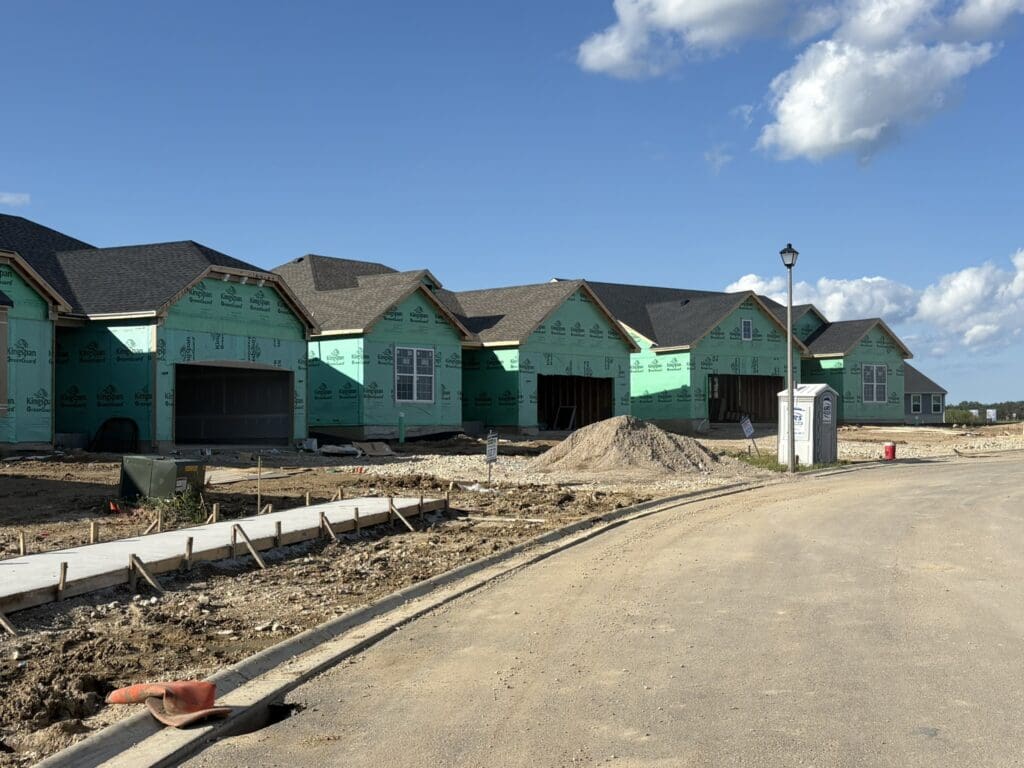
- Clublands Phase 4: 347 single-family homes under construction, with the first certificates of occupancy already issued.
Together, these projects represent 630 housing units completed or in progress, including 283 units in the two completed developments and 347 additional homes in the current phase of Clublands.
The numbers are significant, but the type of development taking place is equally noteworthy. Clublands Phase 3 delivered 219 single-family homes, and Phase 4 is adding hundreds more. That level of activity points to demand for the opportunity to own a home in Antioch and make a long-term investment in the community.
It also raises an important question: Why are so many people choosing Antioch?
The answer may lie in the village’s broader approach to community building. Housing is an essential part of the equation, but residents also want access to outdoor recreation, places to eat and shop, entertainment, and opportunities to connect with their neighbors. Antioch’s recent recognition for these very qualities suggests that its appeal extends well beyond its residential developments.
“People want more than a house — they want a community where they can build a life,” says Mayor Scott J. Gartner. “In Antioch, we’re working to bring those things together by expanding housing opportunities, investing in our downtown, supporting local businesses, and creating places and experiences that bring people together. Our goal is to ensure that as Antioch grows, we continue to strengthen the quality of life that makes our community special.”
“As Lake County continues to prioritize housing, Antioch’s experience reinforces an important principle: Communities can strengthen their appeal by pairing housing opportunities with investments in residents’ everyday experiences,” notes Steve DeBretto, Lake County Partners’ Director of Strategic Initiatives.
A Quality of Life Worth Recognizing
Antioch’s growing residential base is complemented by recognition from regional publications celebrating the places and amenities that make communities stand out.
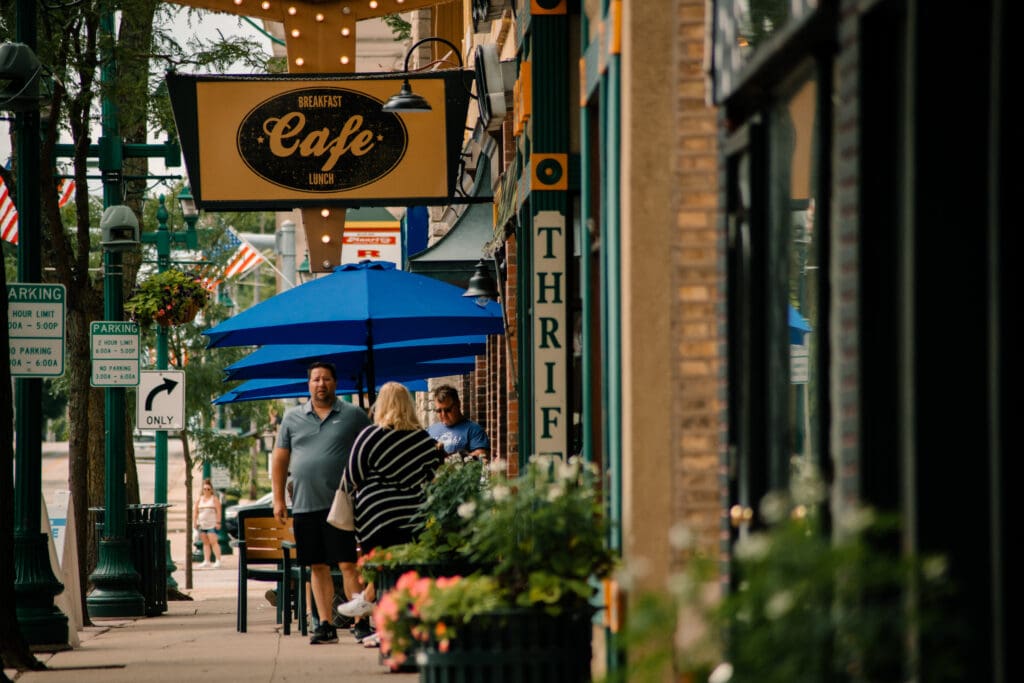
In 2026, the Village was recognized in the Daily Herald Readers’ Choice awards in three categories: Best Downtown Atmosphere, Best Bike Path and Best Outdoor Site for Sequoit Creek Park.
The honors highlight several dimensions of Antioch’s appeal. A vibrant downtown gives residents a place to spend time and support local businesses. Bike paths provide opportunities for recreation and active transportation. Parks offer welcoming spaces to enjoy the outdoors, gather with family and friends, and participate in community life.
Alongside many other Lake County communities, Antioch earned notable rankings in Chicago Magazine‘s 2026 assessment of 205 suburbs in the Chicago metropolitan area. According to the magazine’s rankings, the village placed ninth in Entertainment and 13th in Green Space and Parks. The Entertainment category considers factors such as the number and concentration of restaurants, liquor licenses per capita, and average Google restaurant ratings. The Green Space and Parks category evaluates measures including residents’ proximity to parks, the number of parks, and park acreage relative to population.
These rankings underscore the importance of amenities that residents can enjoy close to home. A strong dining scene, accessible parks and a lively downtown are not simply extras; they help shape how people experience their community every day.
For prospective homeowners weighing where to live, these qualities can be an important part of the decision. For existing residents, they help reinforce pride in the place they call home.
Sequoit Creek Park: Turning an Opportunity into a Destination
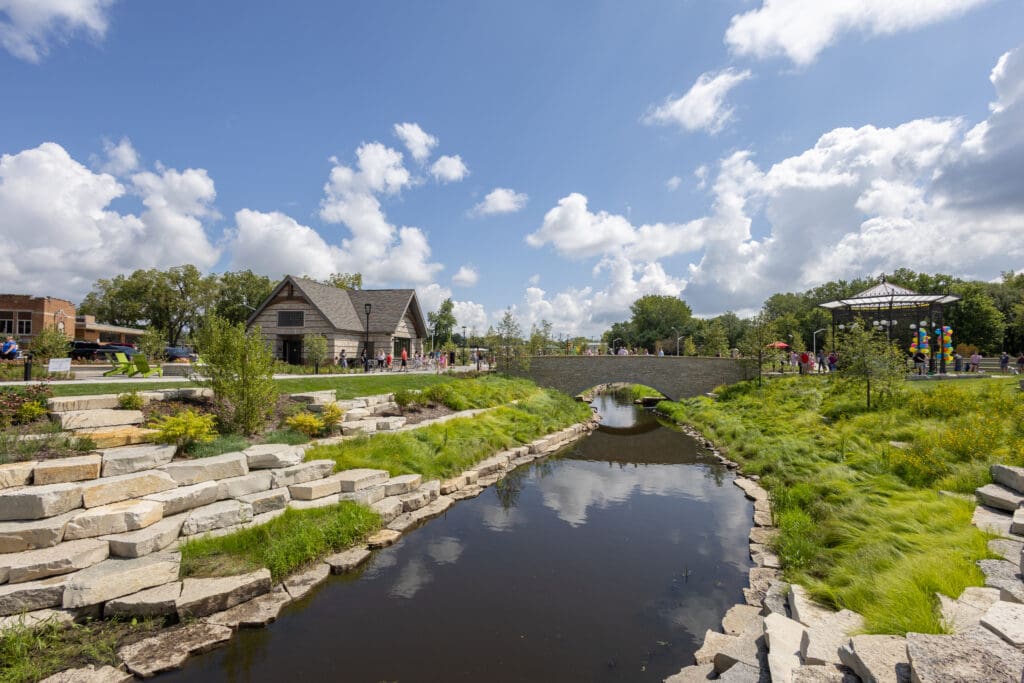
One of the clearest examples of Antioch’s commitment to quality of life is Sequoit Creek Park in the heart of downtown.
Located near Main and Orchard streets, the site underwent a remarkable transformation. A section of Sequoit Creek had been buried in a metal culvert decades earlier to accommodate commercial development. As the culvert deteriorated, it created sinkholes and eventually became a concern for downtown flooding and nearby properties.
Rather than treating the site solely as an infrastructure problem, the village pursued a broader vision for its future.
After acquiring the remaining property in the project area, Antioch gathered community input and advanced plans to restore the creek and redevelop the surrounding land.
The result is a public space that contributes to the character of downtown while providing a gathering place for residents and visitors.
The investment has also attracted outside recognition. In February 2026, the Daily Herald reported that the $12.5 million Sequoit Creek Park project received the Lincoln Grand Conceptor Award from the American Council of Engineering Companies of Illinois, recognizing its innovation, complexity and design.
The project illustrates how public investment can address practical infrastructure needs while creating a lasting community asset. It also gives downtown Antioch an inviting focal point around which events, recreation and everyday community life can take place.
For a village experiencing residential growth, spaces like this help connect new neighborhoods to the broader community. They offer residents another reason to venture downtown, spend time outdoors and participate in local activities.
Making Downtown The Place to Be
Antioch’s downtown strategy extends beyond any single park or streetscape project. The village is working to build an experience that encourages people to visit, stay longer, discover local businesses and return throughout the year.
Its Destination Downtown Antioch campaign puts local entrepreneurs at the center of that effort. Through a series of business features and videos, the initiative introduces residents and visitors to the people behind the storefronts, highlighting their stories, products and contributions to the community.
The downtown business mix offers plenty to explore. Visitors can discover independent boutiques, specialty retailers, home décor and vintage markets, restaurants, confectionery shops, and longstanding cultural institutions such as Palette, Masque & Lyre Theatre, which has brought live theater and the arts to Antioch since 1960.
By spotlighting individual businesses, the village is helping communicate what makes its downtown distinctive. Each shop, restaurant and cultural destination contributes to a larger experience that cannot be replicated by a single attraction alone.
Events add another piece to the puzzle.
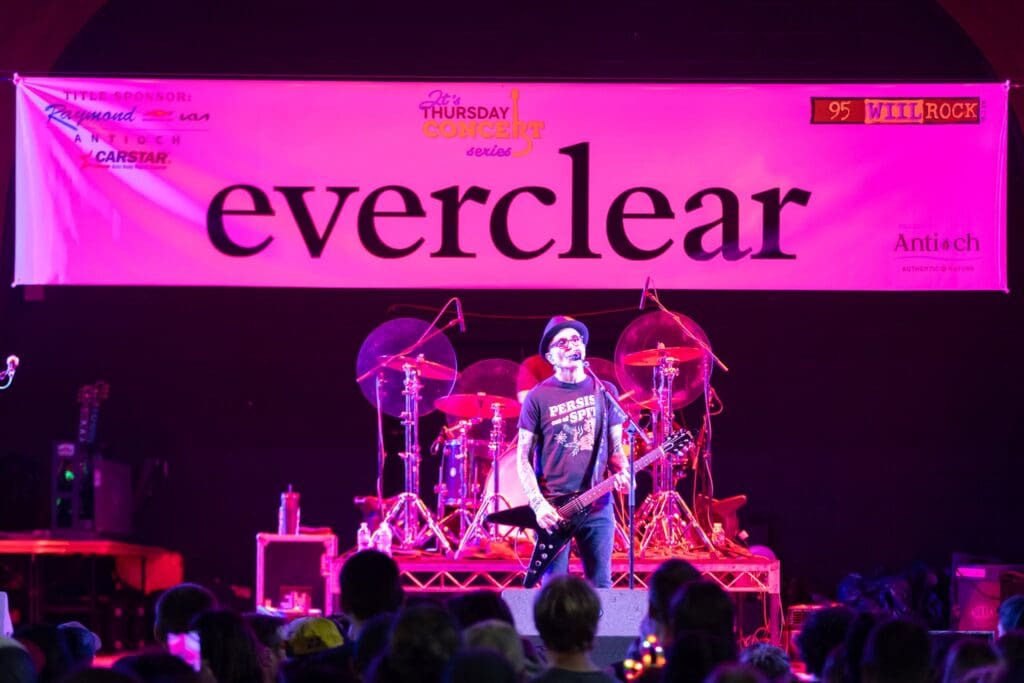
Antioch’s calendar features activities such as the summer concert series, the farmers market at Sequoit Creek Park, seasonal wine walks, and community celebrations featuring live music and local food. These events create opportunities for residents to gather while introducing visitors to downtown businesses and public spaces.
The approach is straightforward but meaningful: Give people reasons to come downtown, create opportunities to discover local businesses, and build a calendar of experiences that keeps the area active across different seasons.
That strategy also has an economic development dimension. More visitors can mean greater visibility for local businesses, more opportunities for customer spending and stronger connections between entrepreneurs and the community they serve.
Backing the Vision with Long-Term Investment
Antioch is also taking steps to plan for downtown’s future beyond its existing events and attractions.
This fall, the village released a Downtown Tax Increment Financing (TIF) Eligibility Report and Redevelopment Plan for public review. The proposed redevelopment area covers approximately 107.7 acres and outlines a long-term framework for downtown improvements.
The plan identifies potential investments in infrastructure, building rehabilitation, site preparation, streetscape enhancements, stormwater improvements and future mixed-use development. Its goals include strengthening downtown’s economic base, encouraging private investment and advancing the village’s broader planning objectives.
The proposed TIF district is a planning and economic development tool, not a completed redevelopment project. Its significance lies in establishing a potential framework for addressing infrastructure and property conditions that can complicate redevelopment and helping position the area for future investment.
The village has also identified downtown beautification and placemaking as priorities, including improvements to streetscapes, parking areas and other public-facing spaces. Its economic development strategy emphasizes attracting businesses that can increase foot traffic and visitor engagement.
Taken together, these efforts reflect a longer-term view of downtown revitalization. Successful destinations do not emerge from events alone. They also depend on the underlying infrastructure, inviting public spaces, viable commercial properties and business environment that support continued activity.
For Antioch, the goal is to build on the character that already exists while creating opportunities for the next generation of businesses and destinations.
Connecting Housing, Business & Community
The relationship between Antioch’s housing growth and downtown investment is central to the village’s broader success story.
New homes bring additional households to the community. Those residents can help support restaurants, retailers, cultural venues and community events. In turn, a lively downtown, accessible parks and a strong calendar of activities help distinguish Antioch as a place to live.
The relationship works in both directions. A growing residential base can create opportunities for businesses, while a strong collection of amenities can make the community more attractive to prospective residents.
This does not mean that every new home automatically translates into downtown spending or that growth comes without planning considerations. Rather, it demonstrates why housing development is most powerful when it is part of a broader community vision.
Antioch’s recent progress offers a tangible illustration of that approach. Deercrest and Clublands are expanding the housing supply, while Sequoit Creek Park, downtown programming and business promotion are helping strengthen the community’s identity and appeal.
For Lake County, the lesson translates into a successful case study. Housing development and quality-of-life investments need not be competing priorities. When thoughtfully coordinated, they can support one another and contribute to communities that are attractive to residents, visitors and businesses alike.
A Strong Foundation for What Comes Next
Antioch’s progress is visible in its new homes, but it is equally apparent in the spaces and experiences that connect residents to their community.
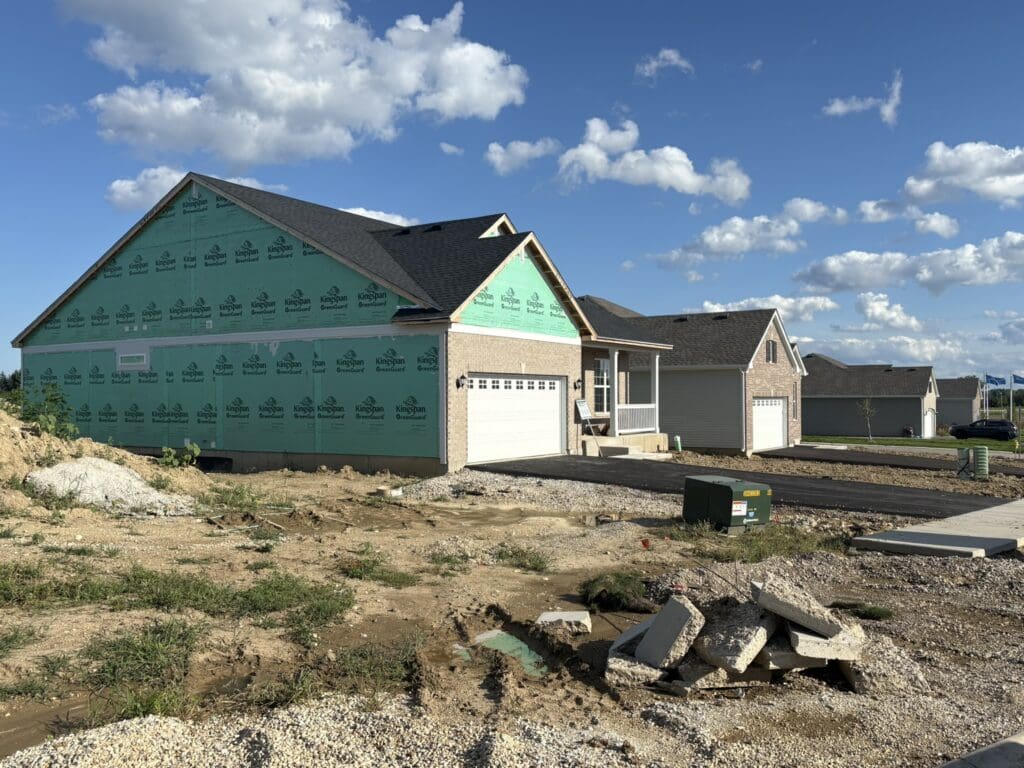
The completion of 283 homes at Deercrest and Clublands, combined with 347 homes underway in Clublands Phase 4, demonstrates the scale of residential activity.
Recognition from the Daily Herald and Chicago magazine highlights the village’s strengths in recreation, entertainment and green space.
Meanwhile, the transformation of Sequoit Creek Park and the village’s continuing downtown initiatives show a commitment to making those strengths even more accessible and engaging.
The next chapter will depend on continuing to align growth with the needs and expectations of residents, supporting local businesses and advancing downtown improvements that create lasting value.
Antioch is already demonstrating what that vision can look like: a community where new housing is accompanied by public spaces, local destinations and opportunities to connect. For a village looking toward the future — and for a county where housing remains a key priority — that combination offers a promising path forward.
Antioch is not simply adding homes. It is working to ensure that the community around those homes continues to give people reasons to stay, participate and put down roots.