The groundbreaking of Start Early’s new Educare Lake County birth-to-age-5 program in Zion represents far more than the construction of a new school building. It is an investment in workforce development, economic competitiveness, community stability, and the long-term prosperity of Lake County.
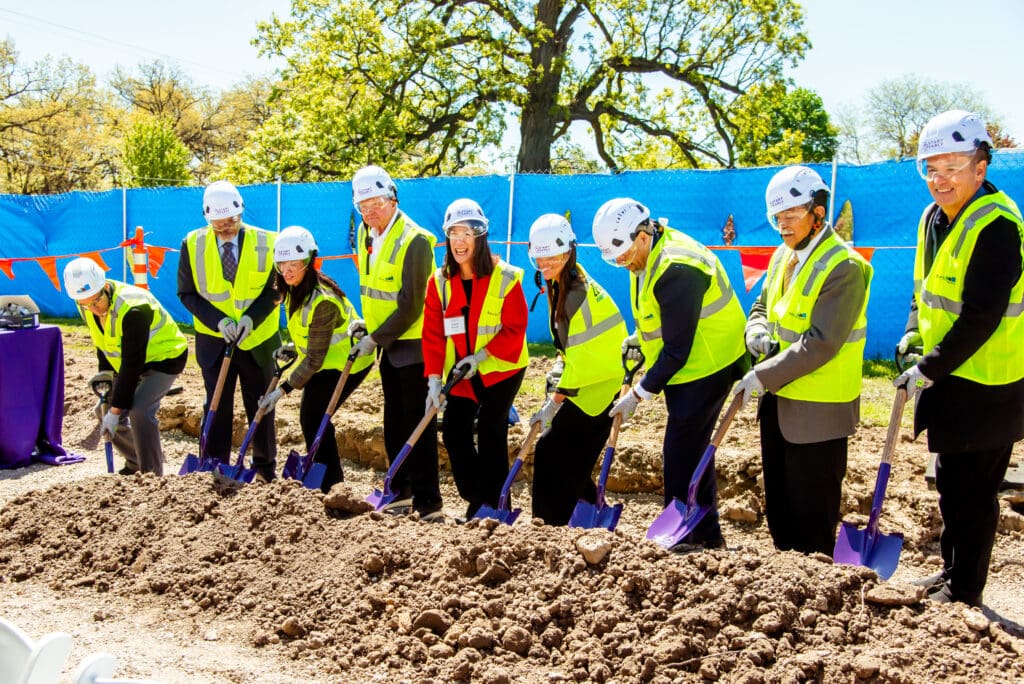
Too often, early childhood education is discussed only through the lens of education policy or family services. In reality, access to affordable, high-quality early learning is foundational economic infrastructure. Just as roads, broadband, and utilities enable commerce and business growth, early childhood systems enable parents to participate in the workforce, employers to attract talent, and children to become the skilled workforce of the future.
The new Educare Lake County center represents a strategic response to one of the most urgent economic challenges facing communities across the country: the growing gap between workforce needs and childcare availability.
According to Start Early, the new 38,000-square-foot birth-to-age-5 school will serve 174 children and families through full-day, year-round programming when it opens in 2027. It will include nurturing classrooms, experienced, bilingual educators and family support services in a modern learning environment build specifically for infants, toddlers, and preschoolers and those who care for them.
“Educare Lake County represents what is possible when communities come together around a shared commitment to children and families,” Start Early President Diana Rauner said. “The Educare model’s strength has always come from listening to and learning alongside the communities it serves. We are proud to partner with families, providers and local leaders across Lake County to help build a program that reflects the needs and hopes of the community and expands access to the high-quality early care and learning every child deserves.”
“The groundbreaking of the new Start Early Educare Center marks a transformational investment in Zion’s children, families, and future workforce,” said Mayor Billy McKinney. “Access to high-quality early childhood education creates stronger outcomes for students, supports working families, and strengthens the long-term vitality of our community. We are proud to welcome this important resource to Zion and grateful for the partnerships helping make this vision a reality.”
Importantly, the program is a strategic step forward in addressing the gaps in childcare access and early education that were first identified in Lake County’s Comprehensive Economic Development Strategy.
This reality not only carries major economic opportunities but serves as an inspiration for future child care developments across Chicagoland.
Childcare is Workforce Infrastructure
Across the country, employers continue to struggle with labor force participation, retention, and talent recruitment. In many cases, the inability to secure reliable childcare prevents parents—especially women—from fully participating in the workforce.
“For Lake County, this issue directly intersects with the goals outlined in the CEDS, which emphasizes workforce development, talent attraction, economic inclusion, and long-term regional competitiveness,” notes Steve DeBretto, Lake County Partners’ Director of Strategic Initiatives. “A modern economy cannot function efficiently if working families lack access to dependable early childhood care.”
When childcare systems fail, businesses feel the effects through:
- Increased absenteeism
- Higher employee turnover
- Reduced workforce participation
- Difficulty recruiting talent
- Lower productivity
Communities also experience broader ripple effects, including reduced household earnings, lower consumer spending, and widening inequities.
Educare Lake County directly addresses these challenges by expanding access to reliable, high-quality early learning opportunities that support both children and working families. This is especially important in communities like Zion, Waukegan, and Beach Park, where workforce participation and economic mobility are deeply connected to family support systems and educational opportunity.
A Thriving Community Begins in the Cradle
The economic impact of early childhood education extends far beyond childcare access. Research consistently shows that investments in quality early learning generate long-term economic returns through improved educational attainment, higher lifetime earnings, reduced public assistance dependence, and stronger workforce readiness.
Educare Lake County highlights data showing that children who attend quality early learning programs are:
- 25% more likely to graduate high school
- Up to 25% more likely to earn higher wages as adults
- 400% more likely to earn a college degree
These outcomes are not simply educational benchmarks—they are indicators of future economic performance. Regions that invest in early childhood education are effectively investing in:
- Future labor force quality
- Entrepreneurship potential
- Household income growth
- Community health outcomes
- Reduced social service costs
- Long-term economic resilience
All of this directly aligns directly with Lake County’s broader economic development priorities, which emphasize inclusive growth, talent pipeline development, and creating pathways to opportunity for residents across all communities.
Economic competitiveness increasingly depends on human capital. Communities that cultivate strong educational foundations early are better positioned to attract employers, retain residents, and sustain innovation over time.
Building a Stronger Talent Pipeline
One of the most important aspects of the Educare Lake County project is its focus on workforce development within the early childhood sector itself.

“Start Early is eager to provide coaching, professional development and career pathway opportunities for educators and will work with local partners to address longstanding workforce challenges, including low wages, limited access to education and high turnover across the early childhood field,” notes Diana.
This matters because the childcare workforce is itself a critical economic sector. Many communities face severe shortages of qualified childcare professionals, which limits the availability of care even when demand exists. Without enough educators, childcare centers cannot expand enrollment capacity, further constraining workforce participation among parents.
Educare Lake County’s approach recognizes that solving the childcare crisis requires strengthening the childcare workforce alongside expanding facilities and services.
This strategy mirrors broader workforce goals related to expanded career pathways, workforce participation, talent retention and equitable opportunity. By investing in children AND educators, Lake County is investing in a sustainable system rather than a temporary solution.
Public-Private Partnerships Drive Community Transformation
Another important takeaway from the Educare Lake County initiative is the role of collaboration. The project is supported by philanthropic leaders, local government, nonprofit organizations, schools, and community stakeholders working together toward a shared vision.
That collaborative model reflects the increasingly regional and partnership-driven nature of successful economic development strategies. No single organization can solve workforce shortages, educational inequities, or childcare gaps alone. Meaningful progress requires coordination across many sectors, and Lake County is fertile ground for forward-thinking collaboration.
Why Does Early Childhood Education Matter for Business Leaders?
Business leaders should view projects like Educare Lake County not as charitable initiatives, but as strategic economic investments. Communities with strong childcare and early education systems are more attractive to employers and workers alike. Increasingly, companies evaluating expansion or relocation opportunities look beyond tax incentives and infrastructure. They assess quality of life factors, workforce stability, and family support systems—these are areas where Lake County shines, and it is clear that there is local will to ensure it stays that way.
In competitive economies, how they take care of people matters. Quality of life is now at the forefront of decision making, for both employers and employees. With leaders in Chicagoland working together to position the region as a global powerhouse, investments in human capital infrastructure are more essential than ever, and Lake County is clearly rising to the challenge.