Category: Uncategorized

Rosalind Franklin University Welcomes Tolmar’s New Northern Illinois Laboratory at Its Innovation & Research Park

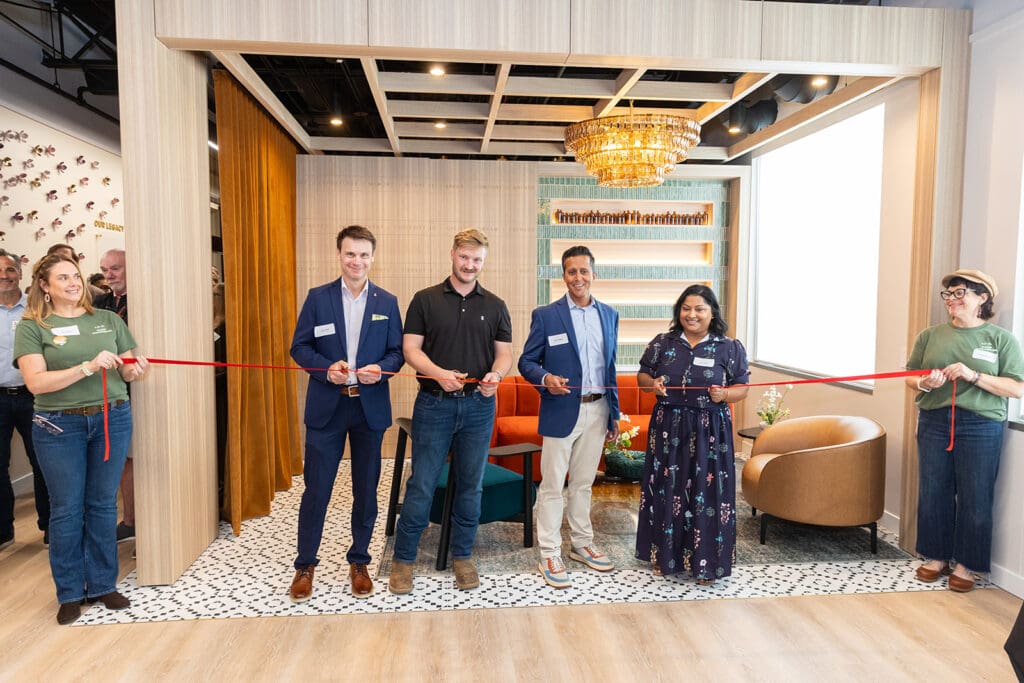
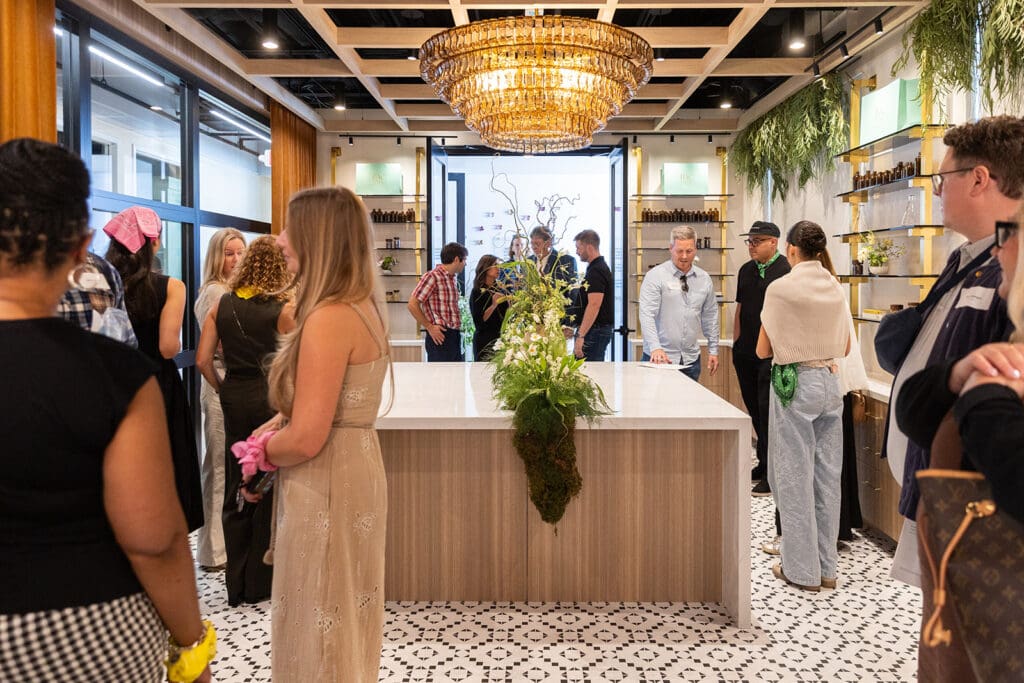
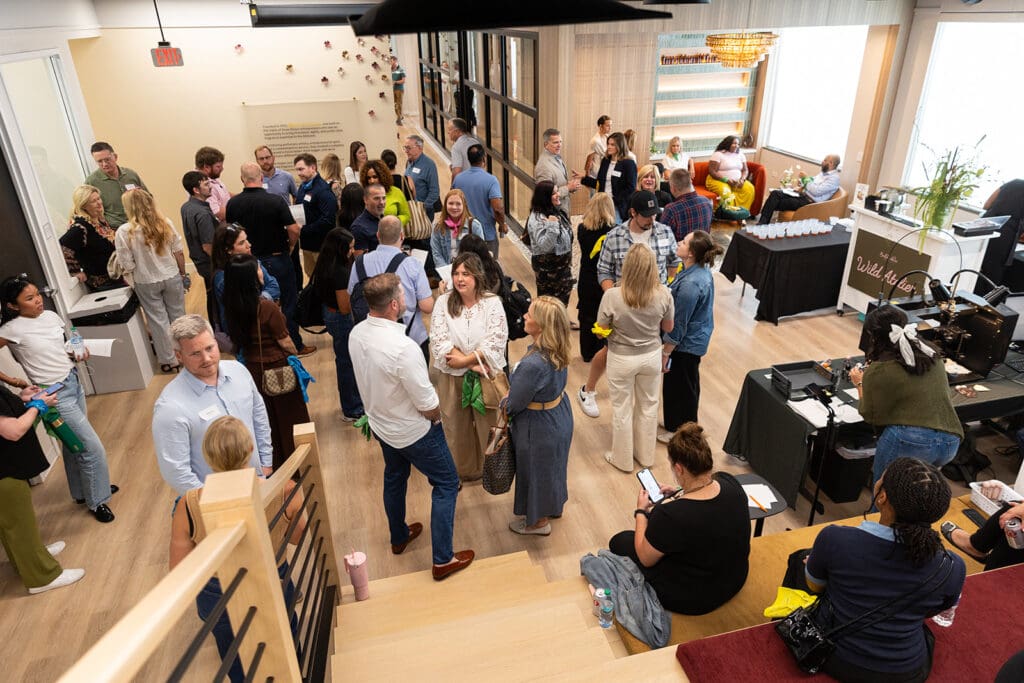
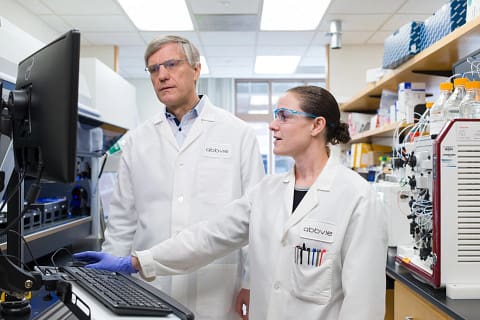
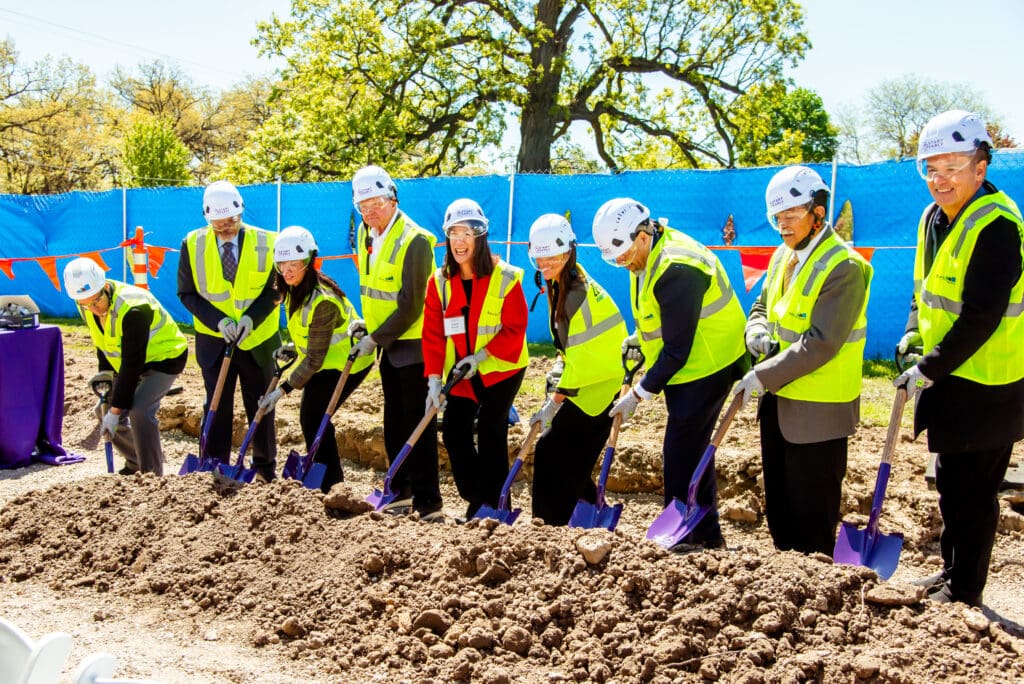
Rosalind Franklin University’s Innovation and Research Park (IRP) is now home to the new Northern Illinois Laboratory for Tolmar, Inc.(Tolmar), a specialty pharmaceutical company. The new center expands Tolmar’s capacity for developing and commercializing pharmaceutical products, while deepening the university’s ecosystem of industry innovation.

Founded in 2007, Tolmar is a pharmaceutical company recognized internationally for its advanced long-acting injectable drug delivery capabilities. Tolmar develops and manufactures specialized, long acting injectables in the areas of urology, oncology, and endocrinology. Tolmar’s leading product is used in the treatment of advanced prostate cancer and is marketed in 89 countries around the world.

Tolmar’s new product development facility at Rosalind Franklin’s IRP will complement the experienced team of researchers, engineers, and operations staff at our Colorado facility. The Illinois research site also increases Tolmar’s regional presence, which includes executive offices and sales and marketing personnel in Buffalo Grove, Illinois.

“Tolmar is excited to expand our development capability, now covering both Colorado and Illinois,” said Dr. Dave Loffredo, the company’s vice president of innovation. “After an exhaustive search, we found a great home at Rosalind Franklin’s IRP. Tolmar scientists are eager to be a part of this dynamic research environment and hope to grow our presence at IRP.”

Dr. Stace Porter, senior vice president of development operations for Tolmar, sees great potential for the lab located within RFU’s Research Park.

“At Rosalind Franklin University’s Innovation and Research Park, Tolmar gains world-class research space and the chance to collaborate with leading scientists and advanced research cores. Surrounded by Lake County’s vibrant network of global life science companies, we’re excited to grow and innovate here.”

Rosalind Franklin’s state-of-the-art, 100,000-square-foot Innovation and Research Park houses six RFU research centers, including the Center for Cancer Cell Biology, Immunology and Infection.

Dr. Joseph DiMario, RFU Executive Vice President for Research, said the university was pleased to welcome Tolmar to its roster of companies.

“We look forward to collaborations that can help accelerate new product development,” Dr. DiMario said. “The IRP provides an environment that fosters the kind of intellectual biomedical “collisions” that drive meaningful innovation.”

About Tolmar

Tolmar is a fully integrated specialty pharmaceutical company focused on the development, manufacturing, and commercialization of specialty pharmaceuticals across multiple therapeutic areas, including oncology, urology, and endocrinology. Tolmar’s product development and manufacturing facilities are based in Northern Colorado and its executive offices and commercial headquarters are based in Buffalo Grove, Illinois. For more information about the company, visit www.tolmar.com.

About Rosalind Franklin

Rosalind Franklin University of Medicine and Science embodies the spirit of inquiry and excellence modeled by its namesake Dr. Rosalind Franklin, whose Photo 51 was crucial to solving the structure of DNA. Recognized for its research in areas including neuroscience, brain-related diseases, inherited disorders, diabetes, obesity, and gait and balance, RFU encompasses the Chicago Medical School, College of Health Professions, College of Nursing, College of Pharmacy, School of Graduate and Postdoctoral Studies and the Dr. William M. Scholl College of Podiatric Medicine. Learn more at rosalindfranklin.edu.

How Can Your Growing Life Science Company Seize the Momentum?

Lake County is the location of choice for the international headquarters of big-name companies like Abbott, AbbVie, Baxter, Amgen and Walgreens. Importantly, it is also the home of offices for Pfizer, Takeda, Lundbeck, Fresenius Kabi and many others, as well as startups at various stages of growth. In fact, 51% of Illinois’ life science jobs are located in Lake County – making it THE Midwestern life science powerhouse. Learn more about Lake County’s thriving life science ecosystem here, and click here to connect with us to see how we can help your company grow.

Lake County is Rising to the Occasion to Provide Housing that the Community Needs

Lake County’s housing landscape is being shaped by a clear understanding of its challenges and opportunities, supported by a strategic commitment to action. Lake County Partners (LCP) commissioned a Housing Analysis for Lake County in 2023, immediately following the adoption of a Comprehensive Economic Development Strategy for the community. It laid out a detailed snapshot of where the county stands: undersupply, affordability strain across a range of incomes, a shortage of housing types, and local regulatory barriers.
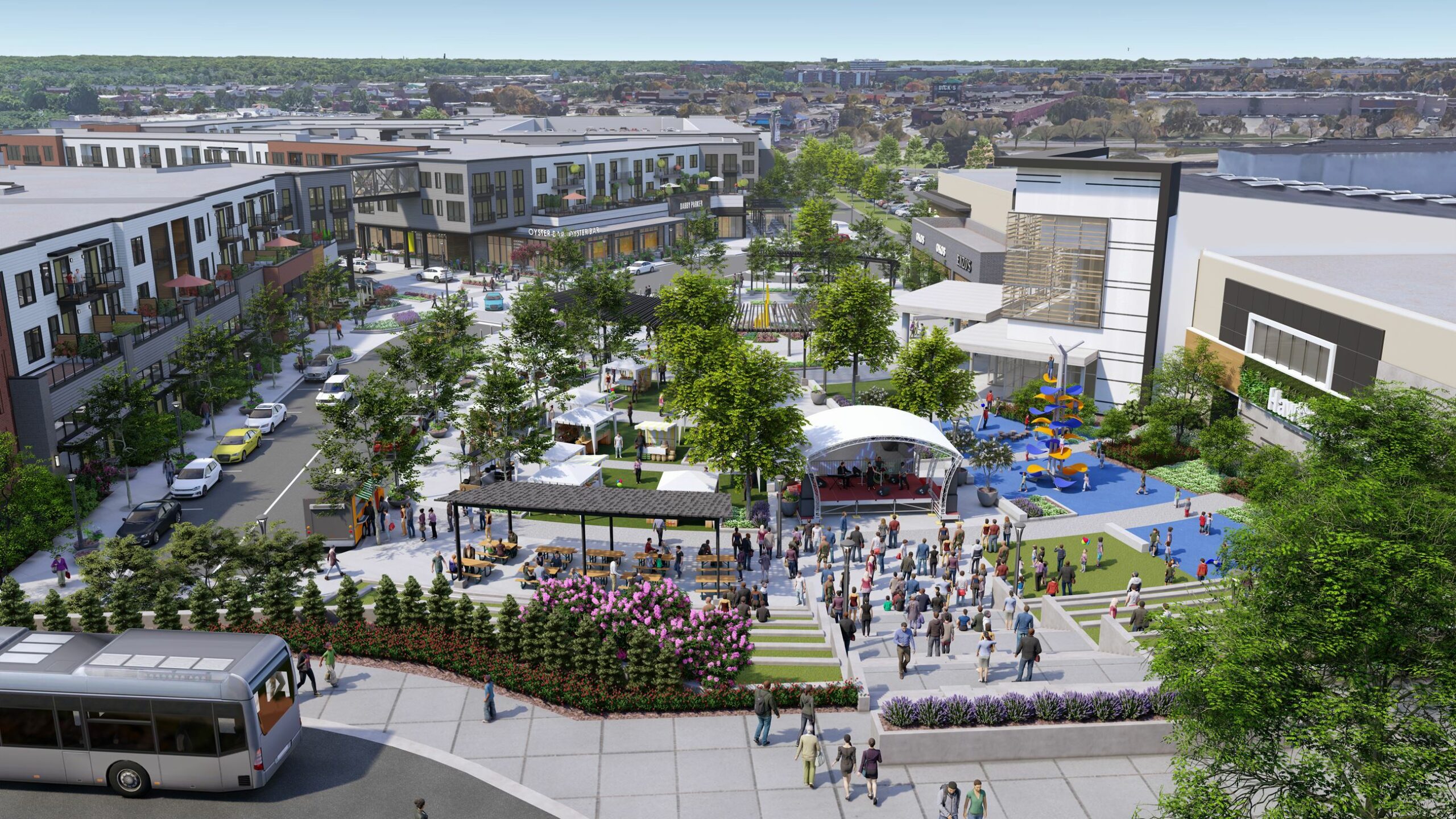
The responses — from countywide coalitions, municipal programs, philanthropic engagement, development proposals, and strategic toolkits — have been well aligned with those findings and showcased the can-do spirit and equitable growth ethic that defines Lake County.
For residents, developers, employers, and local governments alike, this is a pivotal moment. Housing is not just a matter of shelter; it is core to Lake County’s economic competitiveness, workforce retention, community diversity, and long term vibrancy. A coordinated, multi pronged, and sustained push — as is currently unfolding — is exactly what the 2023 housing study recommended.
We’re taking a closer look to see how the community is working together to achieve its housing goals.

How Local Leaders are Taking Initiative in Lake County

This year, Lake County government, in partnership with Chicago Metropolitan Agency for Planning (CMAP) and with support from Schreiber Philanthropy, launched “Housing Lake,” a stakeholder coalition focused on the housing needs of the County. Housing Lake aims to convene municipal leaders, developers, employers, and community advocates, with the goal of producing an implementable roadmap to expanding housing options across income levels and life stages,” notes Dominic Strezo, the Community Development Administrator who representing Lake County on the project team.

“We’re paying attention to the data, identifying barriers to housing, and ultimately, creating a toolkit that our municipal partners will be able to leverage to support in-demand development.” The goal of the toolkit is to help local governments reduce regulatory barriers and incentivize housing supply. Participating municipalities will be able implement best practices and align local practice with countywide strategy.

In the meantime, municipalities are thinking outside of the box, working with developers and the community to create unique approaches to address “missing middle” housing. Here’s the latest on the housing front from around the county:

Barrington

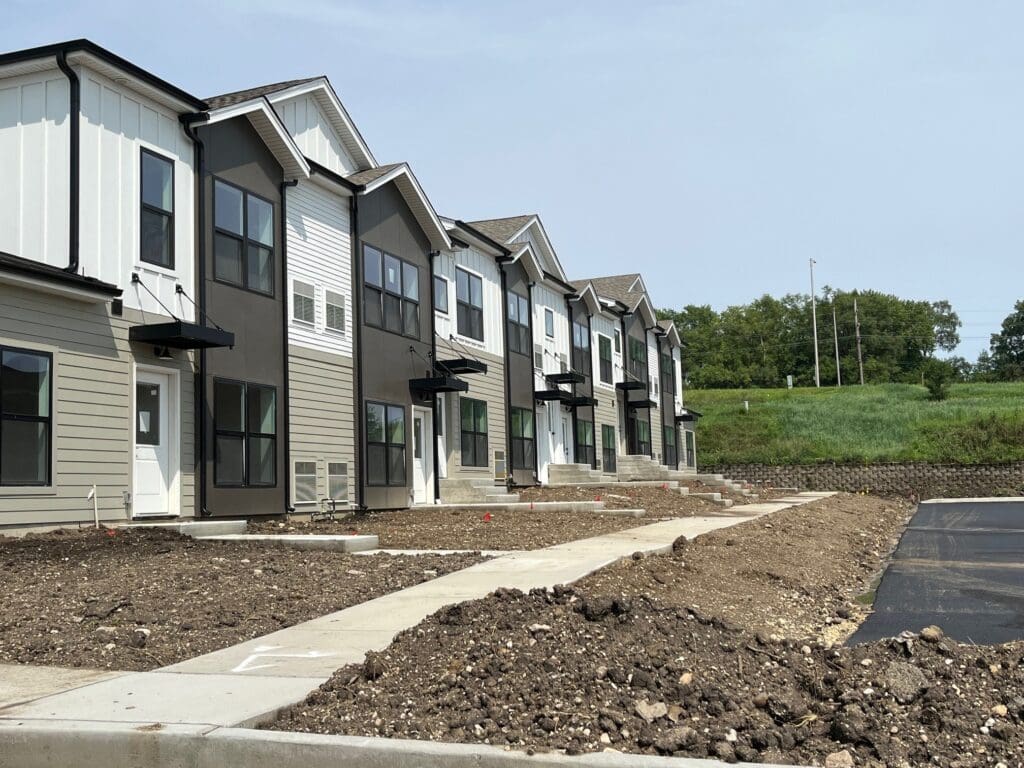
The Village of Barrington has seen a lot of recent housing development activity. The Prairie Glen was recently completed, consisting of 15 townhome units that are already fully occupied. Construction is scheduled to commence soon to construct the Mylo, which will include 125 residential units and over 12,000 sq. ft. of retail/restaurant space. In addition, 8 luxury rowhomes on Washington street are also currently under construction, and 88 single family homes on the former PepsiCo site are expected to be built in the spring of 2026.

Deerfield

There is a flurry of development activity in Deerfield, where Continental Properties is constructing the Springs at Lake Cook Crossing, a 254-unit residential rental development on the rear 10.79 acres of Deerbrook Shopping Center, (between Waukegan Road and Edens Spur, Deerfield, IL). The development will include 25 affordable units in compliance with Deerfield’s Affordable Housing Ordinance.

Walgreens has also received approval to consolidate its Deerfield Headquarters and sell the north 1/3 of their corporate campus properties located at 202, 300, 302 and 304 Wilmot Road to Pulte Homes. The redevelopment project removes an office building and separate daycare building in order for Pulte Homes to develop the 18-acre property into a 42-lot subdivision called Leclair Estates. Pulte will sell and construct the new detached single-family homes ranging from approximately 2,722 to 3,899 square feet and offer four- to six-bedroom homes. Three of the new homes will be affordable and comply with Deerfield’s Affordable Housing Ordinance.

Elsewhere in Deerfield, VennPoint Real Estate is constructing multi-family townhome style buildings on a 10 acre property in the Parkway North Center. The residential rental development, to be called Parkway North Townhomes, consists of 144 units in 31 buildings. Fourteen of the new units will be affordable to meet Deerfield’s Affordable Housing Ordinance.

Celedon Partners is constructing Deerfield Supportive Living, on the site of a former one-story office to supply housing for residents 65 and over. The living facility will be comprised of 147 affordable rental units.

Finally, this year, Zion Woods opened its doors in Deerfield to a 25-unit affordable residential development that resulted from a mission of the Zion Lutheran Evangelical Church, in partnership with the Housing Opportunity Development Corporation (HODC) and Brinshore Development.

Fox Lake

The Village of Fox Lake, in partnership with Charles Hall Construction, Sterling Hall and WCP Fox Lake, announced The Quarry, a new 154-unit market-rate apartment complex located at Route 12 and Big Hollow Road. The development provides 1- and 2-bedroom options in a town-home style design that will bring much-needed housing options to the Chain O’ Lakes community and address the growing demand for high-quality, attainable residential living in Lake County. Construction has begun, with the first units expected to be available in September 2026.

Also in Fox Lake, approval has been given for the Lakeview Apartments development, a 148-Unit, three-story apartment building that will include 148 1 and 2- bedroom market-rate apartments. The total investment is expected to be over $34 million.

Gurnee

In Gurnee, developers are exploring a 40 unit affordable housing project in the Woodlake subdivision for households earning 80% of the Area Median Income. It’s not just about building affordable units but retaining them as affordable. In this case, the concept proposes a 30-year land use restriction to make sure that the development remains effective amid changing markets.

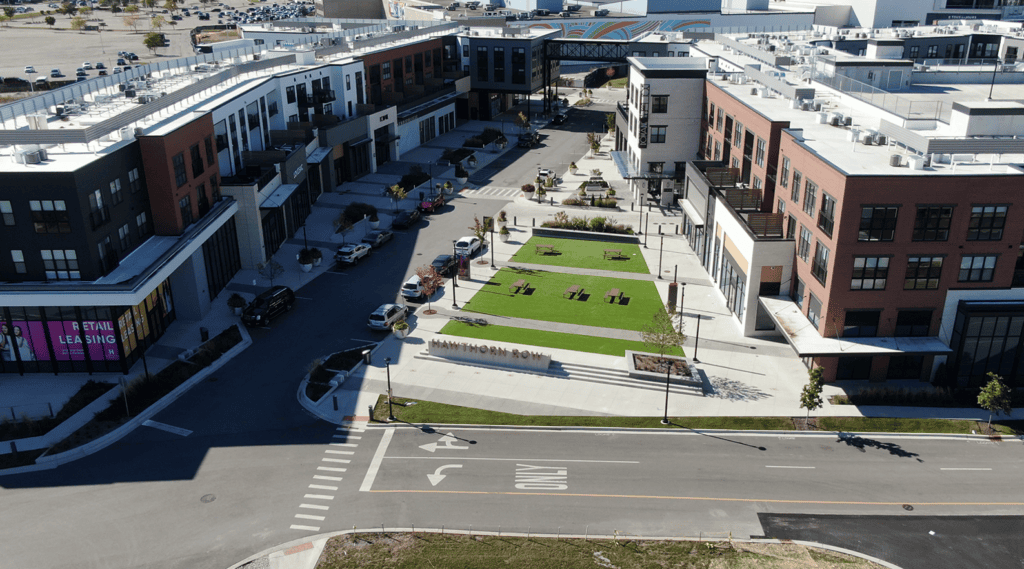
Hawthorn Woods

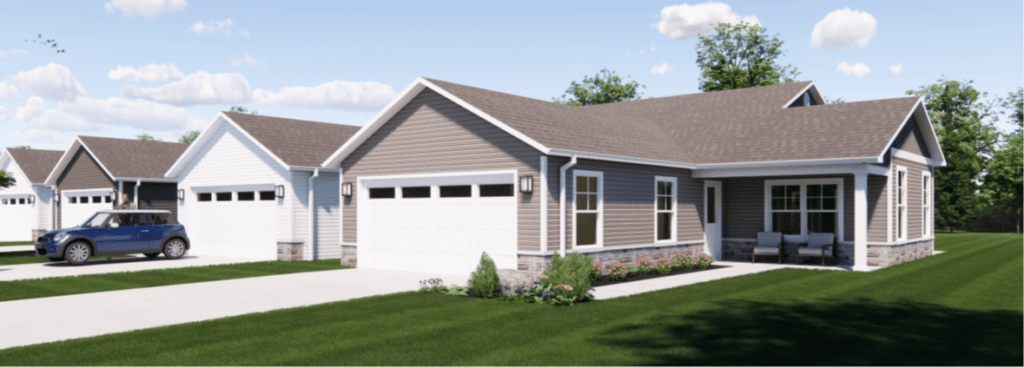
The Kemper Ridge development, proposed by M/I Homes of Chicago LLC, is a significant residential project in Hawthorn Woods intended to introduce housing diversity to a village traditionally dominated by large-lot, single-family homes. Situated on an unincorporated 56-acre property adjacent to the Kemper Lakes Golf Club, the subdivision is currently planned for a mix of approximately 177 residences, including single-family homes, duplexes, and townhomes. The project, which requires annexation into Hawthorn Woods and several zoning variances, was recently approved.

Highland Park

Recent housing developments in Highland Park are highlighted by the preliminary approval of a large-scale townhome community on the former Solo Cup property at 1700 Deerfield Road. The proposal by The Habitat Company, which received City Council support, involves rezoning the approximately 28-acre industrial site to residential for a 227-unit townhome development. This community will feature 48 buildings, a clubhouse, and nine acres of green space, with 34 of the units specifically reserved for the area’s median income as part of the city’s Inclusionary Housing Plan.

Lake Villa

Starling Senior Apartments located on Tower Dr. in Lake Villa is ready to open its doors to seniors aged 55 and older. The newly constructed development includes 40 units of affordable rental housing. The 3-story building contains thirty 1-bedroom units and 10 2-bedroom units. The development was the result of multijurisdictional municipal collaboration (Village of Lake Villa, Lake County, and the State of Illinois) partnering with the private sector to achieve a shared vision.

Libertyville

Eve B. Lee Place, named after longtime affordable housing advocate and 1961 Libertyville Fremont High School graduate Eve Lee, will be completed in the spring of 2026 at 500 Peterson Road. The facility will also act as the new offices of Community Partners for Affordable Housing, which provides housing services to residents across the region. The new, independent living development for adults 55 and older, will offer 34 energy-efficient, affordable apartments. This newly constructed development features a mix of 1- and 2-bedroom units.

Additionally, Continuum Development is seeking Final Plan Approval of a new project at the corner of Brainerd Avenue and Lake Street in downtown Libertyville. This four-story transit-oriented (TOD) development will bring 91 luxury apartments, offered in a mix of one- and two-bedroom floor plans. The building will use generous setbacks and high-quality finishes to integrate with Libertyville’s historic downtown district. Other public benefits include the creation of a new access road and pedestrian path that, together, improve connectivity between Libertyville’s vibrant downtown & the adjacent Metra station. The development site also includes a parcel fronting Milwaukee Avenue that Continuum intends to develop into a standalone retail building at a later date.

Lincolnshire

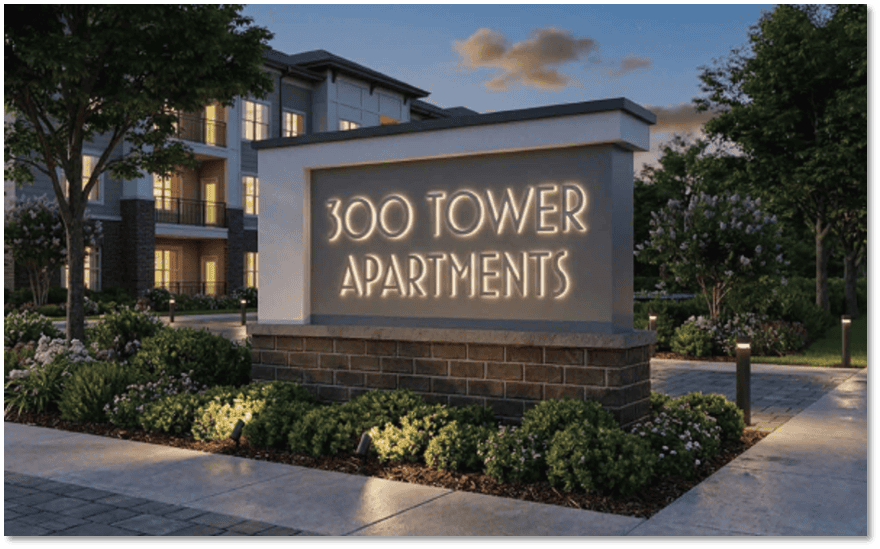
Residential developer Willow Bridge Properties is proposing a 340-unit luxury rental apartment community at 300 Tower Parkway, replacing a long-vacant 175,500-square-foot office building. The 13-acre redevelopment will eliminate a long-term vacancy, introduce much-needed new housing options, and add consumer activity that supports local businesses. It will also reactivate the adjacent Stone Quarry Lake, advancing key goals of the Village’s 2024 Comprehensive Plan. The proposal is currently under review, and more details will be available in early 2026.

Mundelein

There’s also a lot to report on in the Village of Mundelein, where staff had the rare opportunity to welcome into the Village a historic parcel with a proposal for development that will honor and preserve the heart of the land which is the 800 acre Wirtz family farmstead from the 1800s. The farmstead (aka Ivanhoe Farms) will be preserved, but the adjoining parcels envision a legacy project that embraces world renowned planning principles and may take up to 25 years to fully build out. The proposal contemplates a town center, which will be subsidized by the owner as an amenity for residents and visitors of the community. Varied housing types are proposed to be mixed throughout the blocks, interspersed with regional trails and commercial and industrial flex spaces.

At the Morris Station development, there are 136 market rate rental units across two properties that flank the railroad tracks along Park Street. Construction was completed in 2024, and the project is 100% leased, with most tenants working in education, medical and sales. The tenant mix includes: 39% from within Lake County; 18% from out of state; 11% from Mundelein, and 11% from Cook County. The top resident age brackets are 25-31 years old.

The $68 million “Area Apartments” project by Flaherty & Collins will occupy the three remaining Village owned lots in the Plaza Circle subdivision. The development will include multi-family residential (five stories, 225 units), 17 townhomes, a future freestanding retail pad, and a three-story private parking garage with 271 spaces. The development is just steps from Metra’s North Central Service line and downtown Mundelein.

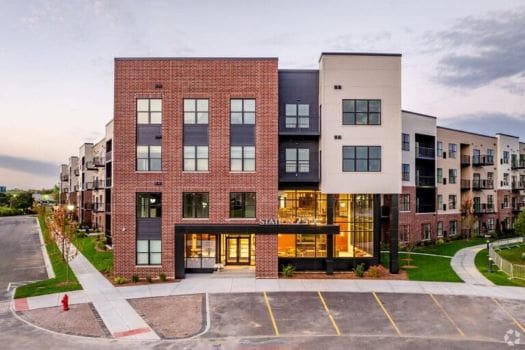
Construction was completed for Station 250 in 2024, and the property is now leasing. There are 169 market rate luxury apartments, located immediately south of Village Hall on Plaza Circle.

At Cardinal Square, there are two completed apartment buildings, which focus on sustainability with a Net-Zero Carbon operation and geothermal energy used to heat and cool common areas of the facility. There are additional solar panels on rooftops to power mechanical systems, amenities, and EV charging stations.

The Mundelein Senior Apartments project has created 46 units of independent senior housing for low-income seniors, and construction is ongoing and includes the use of pre-constructed modules to arrive with outfitted with carpeting, cabinets, and plumbing fixtures.

Other developments include Sheldon Woods, where Phase 1 is complete, and construction on Phase 2 is nearing completion for 192 new single-family homes by Pulte Homes, located across from the Mundelein Crossings Shopping Center. At the Townes at Oak Creek, there are 44 townhouse buildings, and 222 units on the former Oak Creek Plaza site, the site of the former Menards. Finally, at the Springs at Mundelein, 147 two-story garden style apartments with 1 – 3 bedrooms are being constructed.

Round Lake Beach

In the Village of Round Lake Beach, the HARP (Housing Acquisition & Rehabilitation Program) acquires and rehabilitates vacant homes and sells them affordably with deed restrictions in partnership with the county and non profits. This program demonstrates that rehabilitation programs can offer cost-effective strategies to increase affordable homeownership or rental units.

Vernon Hills

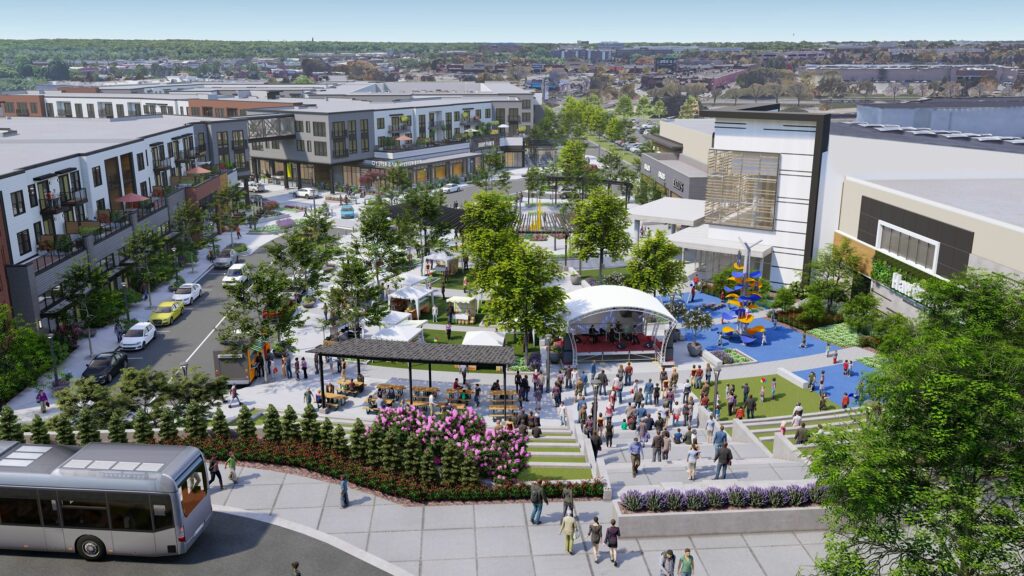
Vernon Hills is also seeing a big influx of development, and it’s being met with enthusiasm in the community. In 2020, the village approved the redevelopment of its Hawthorn Mall complex to promote mixed use, including housing, and revitalize the space. The first new building, completed in the fall of 2023, included a residential component called the Domaine. The Domaine has 311 market rate units and reached a steady 95% occupancy rapidly after opening.

The second building, projected to open in the spring of 2028, would have approximately 290 units. The project would set aside 20% of the units to be affordable to moderate-income households (up to 60% of the Area Median Income). The rent would be roughly 40% of the market rate rent.

The second building, projected to open in the spring of 2028, would have approximately 290 units. The project would set aside 20% of the units to be affordable to moderate-income households (up to 60% of the Area Median Income). The rent would be roughly 40% of the market rate rent.

Waukegan

Nearby, in the City of Waukegan, several new housing developments are taking shape including redevelopment of a former YMCA building to accommodate 26 new residential units and commercial/retail space, offset with $1.725 million in development assistance. Also in Waukegan, the Ravine Terrace development is being converted into a 98-unit senior housing facility and PADS Lake County is redeveloping a former Travelodge Hotel into a permanent family shelter, funded by ARPA dollars and state funds.

On the Housing Horizon in Lake County

As attainable housing rises to the forefront of economic development priorities, these examples will serve as a beacon of things to come. Implementation of the collaborative efforts of Housing Lake will be critical first steps to address Lake County’s housing shortage. The monthly workshops held this year will conclude with a Housing Summit in February 2026, where implementation strategies will be finalized by the coalition to guide future action. Progress will continue to be reported on in this blog. For additional information on housing initiatives in Lake County, Illinois, please click here to connect.

Building Lake County’s Future Workforce Starts with Early Learning: Meet Educare Lake County

To formulate the Comprehensive Economic Development Strategy (CEDS) for Lake County, Lake County Partners convened business, education, workforce development and civic leaders to collaboratively align economic priorities across the region, enrich the talent pipeline, and drive business success. The result was an action‐oriented economic development strategy that builds on existing efforts and spotlights what’s needed to achieve economic prosperity in Lake County.

The CEDS recommended enhancing Lake County’s competitiveness by expanding housing, deepening regional collaboration, and building a cradle-to-career workforce pipeline—from early childhood through adult upskilling. By aligning partners, advocating for strategic investments, and creating clear pathways for both businesses and residents to succeed, LCP is making Lake County a place to live, grow, and advance.

In this blog, we’re taking a close look at Educare Lake County, a state-of-the-art early learning center that organization Start Early is building in deep partnership with the community with the aim of giving every child the opportunity to reach their full potential.

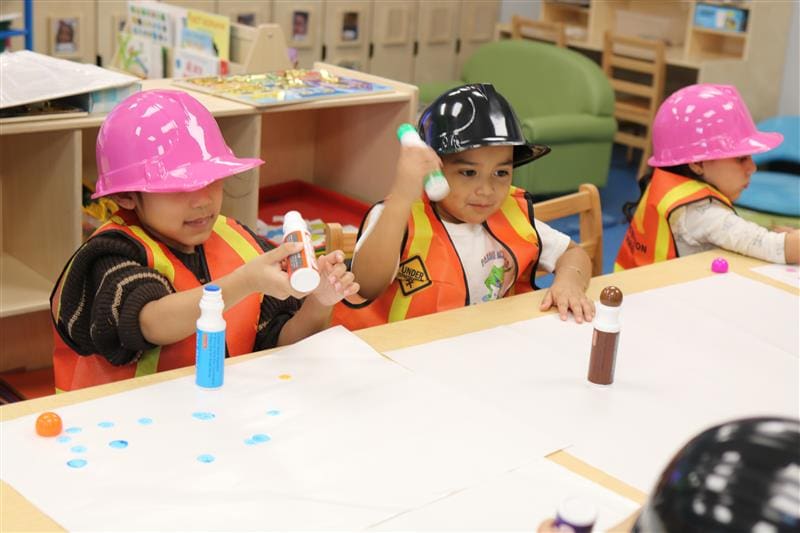
Start Early, one of the nation’s leading early childhood nonprofits, is committed to providing inclusive access to quality early learning for children living in under-resourced communities. It is with this spirit that Start Early has embarked on an exciting new project called Educare Lake County. Located between Shiloh Park and Zion Central Middle School, Educare Lake County will serve 174 children ages 6 weeks to five 5-years-old through Early Head Start and Head Start programming. The 38,000 square-foot center will serve as a vibrant hub for early learning, family support and community partnerships. At this facility, families can expect:

  • Full-day, year-round programming that supports the schedules of working parents
  • 15 developmentally appropriate classrooms, including six preschool rooms and nine infant/toddler rooms
  • A dedicated STEAM room, library, indoor and outdoor play spaces, learning garden and community gathering areas
  • Highly trained, certified and bilingual teachers and family support staff

To provide immediate support to Lake County families while Educare is being constructed, Start Early has launched and implemented early learning interim programming with the capacity to serve 141 children in Beach Park and Waukegan.

“We know that when young children have access to high-quality early learning experiences, entire communities thrive,” notes Celena Sarillo, the Executive Director of Start Early Illinois. “Start Early is honored to work alongside Lake County leaders, businesses and families to bring a new state-of-the-art early learning center to life – one that expands opportunities for children, supports parents and creates jobs in the community.”

Why Educare Lake County Matters in the Community

Lake County is home to 48,488 children under age 5 representing a new generation of thinkers, creators and leaders, and access to high-quality, affordable child care is integral to their opportunity to succeed.

In 2022, Start Early partnered with leading Lake County philanthropists to assess the county’s early childhood system. The goal of this assessment was to ensure all families and young children are prepared to thrive and to strengthen the county’s long-term social and economic future. Study findings showed a gap between the number of young children in the Lake County area and options for affordable and full-day child care available to them.

Educare Lake County aims to increase access to critical early learning experiences, building on existing efforts in the community to ensure every family in the area has access to safe, trusting, effective and quality early childhood experiences that support the unique needs of every young child.

What Makes Educare Lake County Unique

At the heart of Educare’s model is a simple truth: parents are a child’s first and most important teachers. Educare’s programs pair high-quality learning with strong family partnerships to ensure each child’s development is supported at home and at school. At Educare Lake County, families have access to:

  • Dedicated family support specialists
  • Parent groups and community events
  • A Parent Committee to elevate family voice
  • Workshops and developmental resources tailored to early childhood needs

This approach helps build strong relationships, deepens family engagement and supports long-term success for young learners.

Childcare Powered by Community Partnerships

Strong community partners are the building blocks of success for children and strong early childhood systems. Start Early is partnering with local school districts, the Regional Office of Education, colleges and universities, and community organizations across Waukegan, North Chicago, Round Lake and surrounding areas to build a comprehensive network that supports and develops early education leaders and teachers.

This work includes coordinating a Lake County Professional Learning Network to recruit, train, and retain more than 350 early childhood professionals each year, as well as facilitating monthly Professional Learning Communities that deliver high-impact training, align professional development calendars, and foster strong communities of practice across the region.

“I believe that Educare Lake County will help service the whole child. It’s about training educators so that they can be high quality and support the needs of our students so that they’re ready to be successful,” noted Dr. Cheryl Caesar, Assistant Director of Diverse Learners, Waukegan Public Schools at an April 2024 Educare Lake County Community Design Meeting.

The opening of Educare Lake County marks an exciting moment for the region. Community members, employers and supporters have an opportunity to help transform what early childhood education looks like across Lake County.

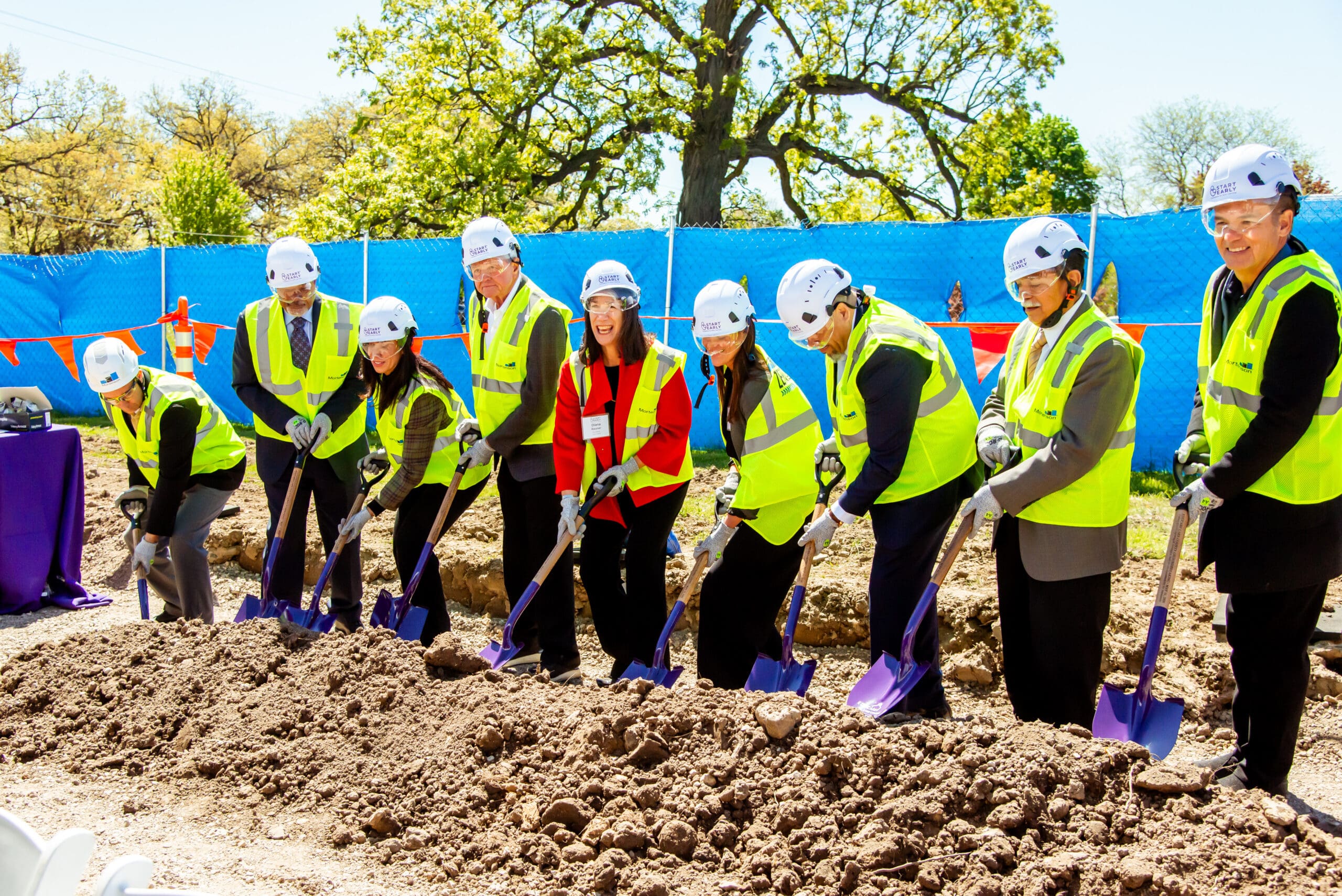
Start Early is projecting a $25M campaign budget for Educare Lake County based on decades of experience building our own programs and services and consulting others in doing the same. To date, they have raised just over $21M (84%) and are planning to break ground in 2026.

Start Early continues to explore new funding opportunities to ensure they can serve Lake County families as soon as the 2027/2028 school year. Whether you want to invest in the project, get involved in community partnerships or support early childhood educators, your participation can help ensure that every family in Lake County has the resources they need to thrive.

Click here to follow Educare Lake County’s journey, or connect with Managing Director Jane McCarthy at jmccarthy@startearly.org to support the Educare Lake County campaign.

Libertyville Shines at the 2025 Bisnow Midwest Industrial Summit: A Clear Signal that Lake County is the Midwest’s Industrial Powerhouse

The 2025 Midwest Industrial Summit, hosted by Bisnow on November 20 at Innovation Park in Libertyville, Illinois, brought together over hundreds of leaders in industrial real estate — developers, investors, brokers, and public officials — to tackle the future of logistics, cold storage, capital markets, and industrial development across the Midwest. The event was made possible by a number of sponsors, including Wintrust Community Banks and Lake County Partners.

While topics spanned from macroeconomic outlooks to advanced automation and cold-chain logistics, one theme resonated loud and clear throughout the day: Lake County is the Midwest’s premier destination for industrial investment.

The Energy of a Sector in Transformation

From the opening keynote to the networking reception, the summit made it clear that the industrial sector remains the most dynamic component of commercial real estate.

Panelists agreed that demand for high-quality, strategically located industrial space continues to outpace supply, especially in mature markets like Chicagoland. However, with land constraints and rising costs, many are looking northward to Lake County as the logical next frontier.

“Lake County offers the best of both worlds,” noted Ron Lanz, the Senior Director of Business Development at Lake County Partners, and an attendee of the event. “You’re still part of the Chicagoland market, and you can maximize accessibility and workforce while tapping into a business-friendly environment. That’s an unbeatable combination right now.”

Key Takeaways from the Bisnow Midwest Industrial Summit

The event’s agenda featured several high-impact panels that captured the pulse of the industry:

1. The State of the Midwest Industrial Market

Experts emphasized resilience despite national headwinds. Vacancy rates in the Chicago MSA hover around historic lows, and rents are still trending upward. Suburban and exurban submarkets are showing strength, particularly in Lake County, McHenry County, and southeast Wisconsin.

Panel discussions made it clear that companies aren’t just chasing cheaper land anymore. They’re chasing connectivity — logistics access, workforce pipelines, and the ability to deliver next-day or even same-day service to Chicago and Milwaukee. Fortunately, this is exactly what Lake County delivers.

2. Capital Markets and Finance Outlook

While rising interest rates have recalibrated some investor expectations, industrial remains a favored asset class among lenders. Lake County’s fundamentals, like low vacancy, high absorption, and a growing roster of national tenants, make it a top pick for institutional capital seeking stability with upside potential.

3. Cold Storage and Innovation

As food, pharmaceutical, and e-commerce supply chains modernize, demand for cold and temperature-controlled space has exploded. Developers cite Lake County’s proximity to O’Hare, Milwaukee’s General Mitchell Airport, and major interstates, including I-94, Route 41, and Route 60, as ideal for this niche.

The bottom line is, Lake County is perfectly positioned for the cold chain revolution because it’s close enough to serve two major metros, with the land and infrastructure to support state-of-the-art facilities.

Lake County Takes Center Stage

As attendees explored Libertyville’s Innovation Park, many saw firsthand the potential that Lake County offers. Once a corporate campus, the site has been transformed into a vibrant mixed-use innovation hub—proof that adaptive reuse and industrial reinvention can coexist. It is now owned by R2, in partnership with JDI Realty.

“Libertyville has a highly specialized employment base anchored by metal fabrication, machinery production, plastics and rubber manufacturing, and advanced technical and electronic products. This industrial strength continues to attract talent from across the country, supported by the growth of companies like Flex North America, the third expansion of AHEAD, and the ongoing success of Valent BioSciences,” notes Libertyville Mayor Donna Johnson. “The community is recognized not only for its skilled and technical workforce, but also for the exceptional quality of life that keeps both employers and employees rooted in Libertyville.”

Throughout the day, local economic development and industry leaders engaged to share update on major projects and incentive opportunities. Their message was clear: Lake County is ready for growth, and it’s actively welcoming investment.

Among the top factors that have made Lake County such a desirable location for business:

  • A Prime Logistics Location – Nestled between Chicago and Milwaukee, Lake County gives businesses unmatched access to I-94 and U.S. 41, two of the region’s most critical north-south arteries. Distribution centers in places like Waukegan, Gurnee, and Grayslake can reach more than 9 million consumers within a 60-mile radius. It’s no wonder leading companies like Sysmex America, Medline Industries, and Fortune Brands Industries have expanded in the community in recent months. The County’s combination of highway access, available land, and proximity to major population centers makes it a sweet spot for logistics and manufacturing operations alike.

  • Tight Vacancy and Rising Demand – According to recent data, Lake County’s industrial vacancy rate hovers around 6.2%. Rents continue to climb, and are up roughly 3.5% year-over-year, driven by steady absorption of Class A space.

  • Pro-Business Climate and Incentives – Panelists repeatedly highlighted Lake County’s business-friendly environment. Through Lake County Partners, companies can access a range of incentives including but not limited to: 1) Enterprise Zones and EDGE tax credits to offset startup or expansion costs; 2) Industrial Revenue Bonds (IRBs) for low cost financing; and, 3) workforce development partnerships with Lake County Workforce Development and the College of Lake County to train and upskill talent. These tools, combined with collaborative local governments and a response permitting process, have made Lake County one of the Top 10 Counties for Economic Development in the U.S. according to Site Selection.

  • Workforce and Quality of Life – Industrial growth depends on people—and Lake County delivers. With a population exceeding 700,000 and a labor force of 370,000+, employers can draw from a skilled and educated talent pool. The region’s quality of life, top-ranked schools, vibrant downtowns, forest preserves, and proximity to Lake Michigan help employers attract and retain talent. As Kevin Considine, LCP’s president and CEO and event speaker noted, “You can run your operation here knowing that your employees will be happy to live nearby. That’s a major competitive edge.”

Lake County Is Picking Up Momentum

The event closed with a forward-looking discussion on what’s next for Midwest industrial real estate. While national trends point toward normalization after the pandemic-driven boom, the consensus was optimistic.

Lake County, specifically, is poised for sustained expansion. With its strategic location, infrastructure capacity, and coordinated economic development efforts, it’s ready to accommodate the next wave of advanced manufacturing, innovation and logistics space.

Local officials emphasized the County’s commitment to sustainability; the community is actively advocating for modern, energy-efficient facilities and green infrastructure. Developers echoed this sentiment, noting that tenants increasingly prioritize environmentally-conscious locations.

“Lake County isn’t just growing in a haphazard way,” said Steve DeBretto, Lake County Partners’ Director of Strategic Initiatives. “Local leaders are ensuring that it’s growing strategically, by balancing industrial strength with community and environmental responsibility. That’s what will sustain it long-term.”

The day buzzed with energy during coffee breaks and the post-event reception. Attendees shared deals in progress, discussed future site plans, and explored collaboration opportunities. Brokers spoke of surging interest in off-market properties, while investors compared notes on speculative development across Lake County.

Why This Matters for the Industrial Real Estate Community

For developers and investors, the Bisnow Midwest Industrial Summit reinforced what the numbers already show: the industrial sector remains a pillar of strength in commercial real estate.

Lake County’s rise represents a natural extension of the Chicago industrial core, and it’s unsurprising given the area’s accessibility, affordability, innovation, and long-term growth potential.

As industrial assets evolve—from e-commerce fulfillment centers to advanced manufacturing hubs—the County’s balance of infrastructure, workforce, and land availability positions it as one of the most compelling submarkets in the Midwest.

“Whether you’re an investor seeking stable returns, a developer eyeing the next growth corridor, or a company ready to expand operations, Lake County offers the access, infrastructure, and community support to make it happen,” notes Ron Lanz, Lake County Partners’ Senior Director of Business Development.

Click here to seize the momentum and connect with us, so we can help your business expand in Lake County.

Powering Progress: Lake County Has Honed Regional Strategies that Work to Develop Manufacturing Talent

The modern manufacturing landscape is undergoing a rapid and profound transformation. It’s a space where global trade, cutting-edge technology, and the cultivation of human talent intersect to define economic success.

This was at the core of conversation at the recent Lake County Regional Manufacturing Roundtable, hosted by the Illinois Manufacturers’ Association at the College of Lake County’s state-of-the-art Advanced Technology Center in Gurnee.

“Our goal was to bring together industry leaders, policymakers, and community stakeholders to underscore a clear message: manufacturing growth cannot be achieved through isolated effort,” noted Sarah Hardwick, the Senior Vice President & Corporate Board Secretary at the Illinois Manufacturers’ Association. “In Illinois, we are fortunate to have a deeply connected, collaborative ecosystem that builds talent from the ground up to fuel manufacturing growth.”

Fortunately, there is no shortage of collaboration in Lake County. The community is a model of a coordinated approach, and strategic efforts have positioned Lake County and the state of Illinois as global leaders in advanced manufacturing and a proving ground for innovative talent development.

The Global Strategy: Positioning Illinois as a Premier Business Destination

The conversation kicked off by highlighting the aggressive and successful approach Illinois has taken to secure its place on the international business map, with input from Christy George, the CEO and president of the Illinois Economic Development Corporation (EDC), and Kristin Richards, the Director of the Illinois Department of Commerce and Economic Opportunity.

Illinois has been very active in trade missions to target manufacturing leaders worldwide. This is more than mere outreach; it is a dedicated effort to showcase the state’s assets and commitment, effectively positioning Illinois as a global business destination. The purpose of these trade missions is two-fold: to strengthen overseas ties and to attract business back to the state. These trips are invaluable, offering foreign countries an opportunity to benchmark the state and to witness Illinois’ willingness to work with business leaders.

This global ambition is fueled by a powerful, united front known as “Team Illinois.” This collaborative umbrella includes key agencies such as Illinois EDC, the Illinois Manufacturing Excellence Center (IMEC), and the Illinois Department of Commerce and Economic Opportunity (DCEO), working hand-in-hand with local partners like Lake County Partners (LCP) and various local governments.

A recurring theme of the panel discussions was the sheer preparedness of the state to support companies at every level, particularly as they seek to maximize their export potential. Richards noted that the state has been actively enhancing Illinois’ incentive programs, including EDGE and Rev; this year, Illinois also introduced a new program called Advanced Innovative Manufacturing (AIM) to focus on capital improvement investments.

Beyond incentives, policy and outreach, the state possesses a foundational strength that few can rival: its people. Illinois’ talent and workforce development strength are game changers when it comes to attracting business. This human capital advantage is what truly sets the state apart and forms the basis for its ongoing economic expansion.

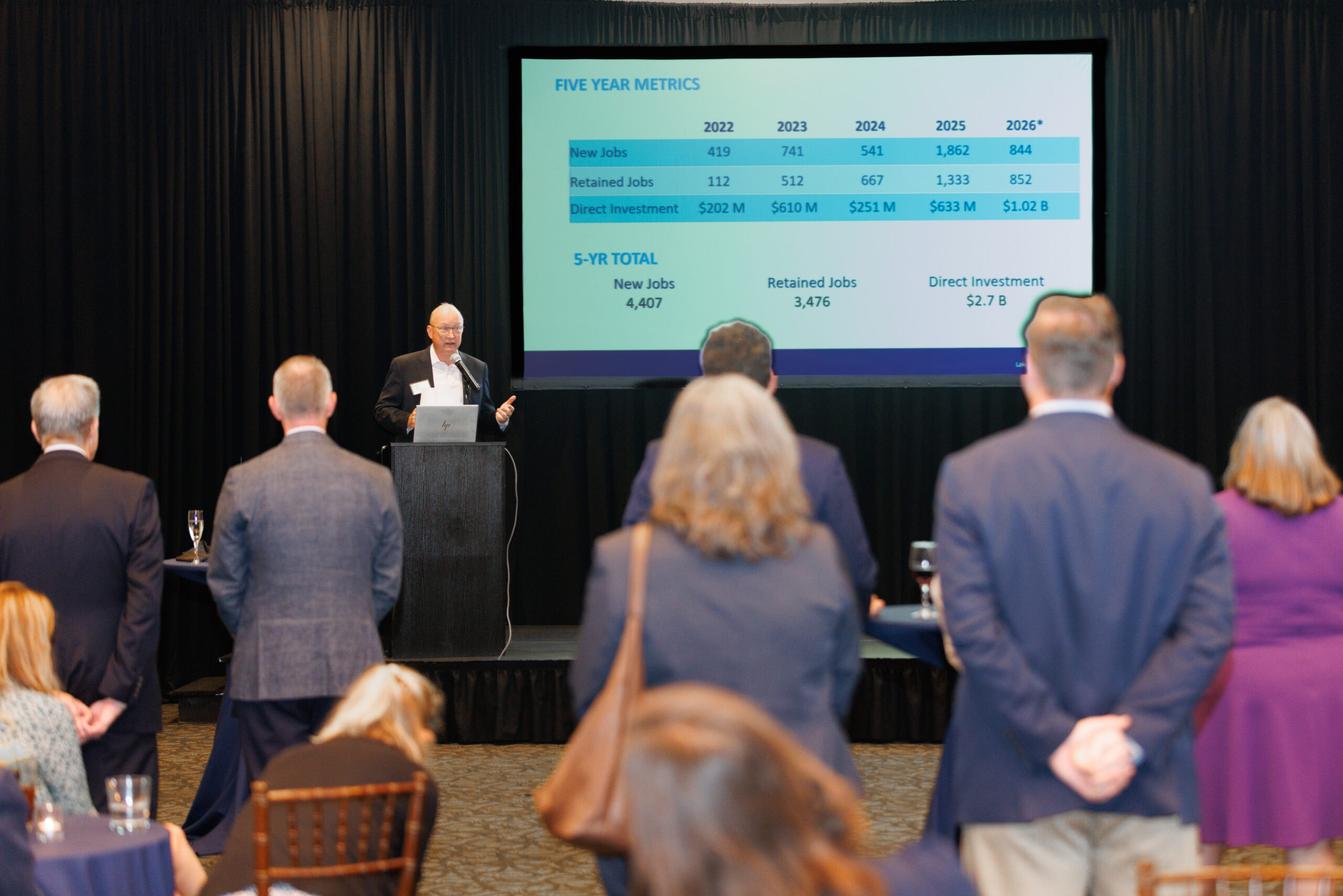
These assets have been the cornerstone of business attraction efforts from the Greater Chicagoland Economic Partnership (GCEP), led by Kevin Considine, president and CEO of Lake County Partners. “The GCEP partnership has had a major, visible impact on both business attraction and retention, proving that targeted, regional collaboration yields significant returns. Lake County, in particular, is setting the pace for the region and the state. We are celebrating our best year on record, having fueled $1.8 billion in direct capital investment, 4,000+ new jobs, 2,700+ retained jobs, and counting. Much of that has come directly from manufacturing growth,” Considine remarked.

Forging the Future: Building the Workforce Pipeline

The bedrock of any successful manufacturing ecosystem is a robust and renewable supply of skilled talent. The next roundtable discussion—featuring remarks from Jim Connell, the Executive Director of Community Programs at the College of Lake County, Gina Schuyler, the CTE Department Chair for Careers and Community Partnerships at Grayslake D127, and Jennifer Serino, the Director of Lake County Workforce Development—made it clear that career pathway programs are more important than ever in helping to shape the next generation workforce.

This is not a passive effort; it involves active engagement from education, government, and industry. The effort to develop talent, and help businesses tap into it, cannot be done alone. It is a complex process that demands outreach, resource aggregation, an understanding of how to leverage and promote assets, and the ability to forge new ways of doing things.

Illinois has formalized its educational commitment to manufacturing through innovative programming. For students in Illinois, the journey to a manufacturing career is structured: after identifying an interest and taking foundational courses, they can be endorsed in manufacturing through 7 different pathways.

From that foundation, students are connected with local businesses to explore valuable internships and careers. The educational experience is designed to be hands-on, ensuring students aren’t just sitting at desks—they are on equipment that can advance their learning. This practical approach is vital for ensuring graduates are job-ready, even at the high school level.

Lake County boasts several unique and highly successful initiatives designed to engage and educate the next generation:

  • Navig8 Lake: This initiative provides a powerful, hands-on format where students can explore manufacturing with Lake County manufacturers. The growth of this event is staggering, now featuring over 140 companies and attracting the participation of 6,000+ students, with the goal of engaging 8,000 in the coming year. This scale demonstrates a massive regional commitment to early exposure and career exploration.

  • SchoolLinks: Addressing the need for streamlined employer-educator interaction, SchoolLinks gives employers the opportunity to onboard in one system. This collaborative platform ensures educators come together to build the pipeline and help companies connect to it, minimizing friction for both students and employers.

  • Lake County Manufacturing Alliance: This group, run through the College of Lake County, is instrumental in fostering peer learning and collective problem-solving, as it brings local manufacturers together so they can explore best practices and learn from one another.

Importantly, financial resources are also available to support business engagement. Lake County Workforce Development has access to a portfolio of federally-funded grant programs that businesses can tap into to cultivate talent, offering tangible support for internships and training programs.

The commitment to work-based learning relies on the idea that a high school student can be trained to meet the needs of the modern workplace. As such, it requires an individualized approach that can serve as a long-term interview process—a model that provides clarity and confidence for both the employer and the student, with minimal upfront investment.

The state of Illinois has recognized the profound value of structured, on-the-job training, making a substantial investment in apprenticeship and establishing itself as a leader in this area. It operates on a robust “work, earn and learn” model.

To encourage participation, grants help employers co-develop and register apprenticeship programs, effectively lowering the barrier for entry and increasing the number of formalized training opportunities available. Lake County Workforce Development works with employers on paid internships, onboarding and training programs, and leverages labor data to build the talent pipeline through a different lens, ensuring that training aligns with modern industry needs.

Marketing is also playing a strategic role in this ecosystem. Campaigns like Made in Illinois, spearheaded by the Illinois Manufacturers Association, have been instrumental in promoting the state and cultivating an interest in manufacturing careers with young people. This effort is about changing perceptions and highlighting the high-tech, high-skill nature of modern manufacturing jobs.

Reaching students even earlier is the goal of programs like Sparkforce, which can pay for manufacturing camps to give middle school students exposure in a fun way. Last summer, the success was clear with four summer camps being held, with more expected to come—ensuring the manufacturing career conversation starts well before high school.

Panel Insights: The Crucial Role of Partnership and Essential Skills

The panel discussion inevitably turned to the future, specifically focusing on the anticipated impact of emerging technology and artificial intelligence. Demonstrating a proactive stance, Lake County Workforce Development will soon be contracting with a consultant to better understand the impact of AI, and equally important, to better understand which corresponding security measures will be needed as it plays out in real time.

The collective wisdom of the roundtable led to several crucial takeaways that define the path forward:

  • Workplace Essential Skills are Crucial: Technical skills are foundational, but workplace essential skills—including professional conduct, problem-solving, and critical thinking—are equally crucial in keeping young people engaged and advancing in the workforce.

  • Communication is Key: For young people who have grown up in a digital world, communication will be critical. Ensuring they can effectively articulate ideas, collaborate, and manage professional relationships is paramount for success.

  • Shared Responsibility is a Must: Everyone needs to play a role in workforce development if it’s going to be successful in a community. This message reinforces the collaborative spirit of Team Illinois and GCEP.

  • The Ecosystem is the Magic: Ultimately, success stems from synergistic connections. Lake County’s workforce ecosystem is where the magic is—everyone brings value, and the partnerships keeps stakeholders, efforts and resources aligned.

The Lake County Regional Roundtable made it abundantly clear that the future of manufacturing in Illinois is bright, not by accident, but by design. It is a future built on aggressive global outreach, deep investment in human capital, and a powerful, interconnected ecosystem of government, education, and industry partners who are all aligned behind one goal: Powering Progress through strategy and investment that deliver.

Lake County, Illinois’ Economic Outlook is One of Resilience, Reinvention, and a Region on the Move

As the national economy continues to recalibrate after years of pandemic-driven disruption, communities across Chicagoland are asking a key question: are we returning to the pre-2020 economic norm, or has the post-pandemic era rewritten the rules?

That question was at the center of a recent presentation by Dr. Joe Schwieterman of DePaul University and Chris Brewer of AECOM, who offered data-driven insights into Lake County, Illinois, and its evolving role in Chicagoland’s regional economy. Their findings, coupled with business outreach information presented by Lake County Partners (LCP), paint a picture of a county that is both grounded in its strong industrial and life sciences base and nimble enough to adapt to new economic realities.

A Strong Five Year Performance

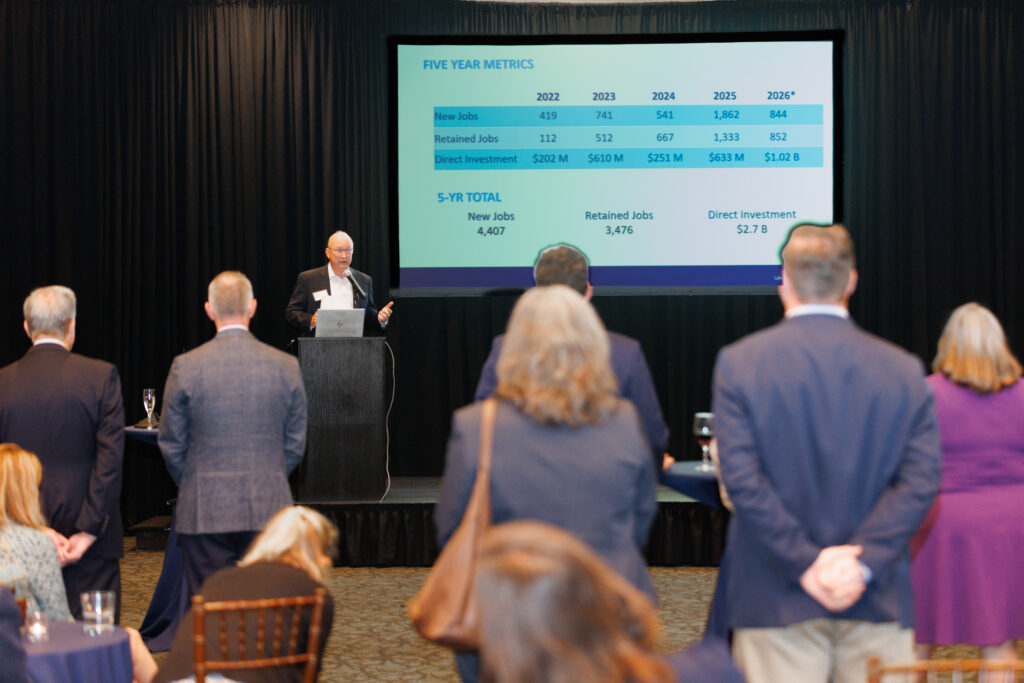
“From 2021 through 2025, Lake County has delivered impressive results in both job creation/retention and investment attraction,” notes LCP Senior Director of Business Development. “Over these last five years, LCP generated 4,033 new jobs, retained 2,751 existing jobs, and secured a remarkable $1.79 billion in direct investment.”

These numbers are more than statistics—they represent strategic wins across industries that define Lake County’s modern economy: life sciences, advanced manufacturing, professional services, and mixed-use development.

In 2025, Lake County continues to benefit from an active pipeline of investments spanning a diverse range of sectors. Key projects currently in progress include:

  • Life Sciences and Manufacturing
    Major employers and investors such as Plano Pharmaceuticals, Flex, AbbVie, Tuf-Tite, MSI Express, and Belle Aire Creations are expanding or modernizing their operations. These companies contribute not only to Lake County’s economic base, but also to its global reputation as a hub for life sciences and precision manufacturing.

  • Office, Housing, and Institutional Development
    Lake County’s economic vitality is also supported by strategic real estate and community investments. Projects like Fortune Brands Innovations, Miller Cooper & Co., and new residential developments such as Fox Lake Crossing and Lakeview Fox Lake highlight how housing and employment growth are increasingly intertwined. The new Lake County Regional Office of Education further reinforces the region’s commitment to workforce development and educational infrastructure.

Collectively, the major projects managed by LCP in 2025 showcase the multifaceted nature of Lake County’s growth—balancing industrial investment with livability and workforce support that enhances the area’s high quality of life.

Based on the recap provided by LCP, economic development in Lake County is not slowing down. As the staff nears the end of the year, it is managing 34 active projects at various stages of development in the pipeline that will carry into 2026. This steady stream of activity underscores both investor confidence and the county’s ability to attract and retain diverse businesses, even amid shifting economic conditions.

How Are Economic Trends Playing Out in Lake County and Chicagoland?

Population dynamics in Lake County are nuanced. Western townships are less constrained by existing development, and their open spaces continue to experience steady population growth, reflecting Lake County’s ongoing appeal as a place to live, work, and raise a family.

At the same time, the overall labor force growth rate has slowed since 2010, mirroring national demographic trends. With baby boomers retiring and younger workers entering the market at a slower pace, maintaining a strong workforce pipeline will require deliberate efforts in education, training, and talent attraction—all elements that LCP has focused on in recent years with partners across Lake County.

Unemployment & The Labor Force

Lake County’s unemployment rate stood at 4.6% in August 2025, a figure that economists often consider indicative of “full employment.” This strong labor market signals economic stability, but it also reveals emerging challenges.

With the labor force operating near full capacity, workforce availability and housing supply are increasingly viewed as constraints to future growth. Employers face tighter competition for skilled workers, and communities must balance job expansion with residential development that attracts and retains talent.

Since 2010, Lake County has experienced a narrowing pace of job creation, a trend that has become more pronounced since 2021. While this could appear concerning at first glance, it also reflects a maturation of the regional economy—one that prioritizes high-value, sustainable employment over rapid but uneven growth. Manufacturing and life sciences jobs, for example, often bring higher wages and greater stability compared to the retail or service sectors that have been contracting.

E-Commerce

Few trends illustrate post-2020 transformation more clearly than the impact of e-commerce. As online shopping has become a dominant force, the geography of retail spending has shifted dramatically because sales tax revenue is increasingly generated where people live rather than where they shop.

“This transition has resulted in retail job losses since 2020, yet it has also sparked new employment opportunities in logistics, distribution, and technology infrastructure tied to e-commerce,” notes Chris Brewer, Vice President at AECOM. “Lake County’s position within the regional transportation network gives it a strategic edge in capturing these new forms of economic activity.”

Office Space

Office space dynamics have also undergone a structural shift. The demand for traditional office environments—especially older, single-use buildings—has softened in the wake of hybrid work trends. However, not all office space is created equally. Data show that offices located within mixed-use districts, where employees can access housing, dining, and recreation, have proven far more resilient. These spaces align with the preferences of today’s workforce, which values flexibility, walkability, and community engagement.

For developers and local governments, the message is clear: adaptation and reinvestment in mixed-use environments will be key to sustaining the office market’s relevance in the years ahead.

Transportation

Lake County’s position between Chicago and Milwaukee, and its vast transportation networks make it a compelling location for business growth and talent relocation. This is further reinforced by investment and government work plans that have prioritized transportation and safety.

Multiple projects have highlighted another major construction season in Lake County, particularly as Illinois seeks to modernize infrastructure locally and across the state through the Rebuild Illinois program. These projects hit every corner of the county, including Deep Lake Road, the Robert McClory Trail, Old McHenry Road, Arlington Heights Road, and Deerfield Parkway.

Ridership on the several Metra lines that serve Lake County UP continue to steadily rebound since their low points in 2020, and public transportation remains front and center for legislators as they look to engage residents and offer reliable service.

At O’Hare International Airport, investments have provided for the addition of gates at T3 and T5, giving the airport the distinction of the largest number of gates in the world. This summer, ground was also broken to prepare for the $1.3 billion Terminal D, a 19-gate satellite concourse. O’Hare just had its busiest summer ever.

Looking Ahead: Challenges & Opportunities

The story emerging from Lake County’s data is one of resilience amid transition. The region’s traditional strengths—its diverse industrial base, proximity to major markets, and highly educated workforce—continue to underpin economic vitality. Yet, like much of the nation, Lake County is navigating a new economic landscape shaped by technological disruption, demographic shifts, and evolving work patterns.

Moving forward, success will hinge on a few critical strategies:

  • Expanding Workforce Housing – Ensuring adequate and affordable housing for workers across income levels.
  • Investing in Workforce Development – Strengthening partnerships between schools, colleges, and employers to meet emerging skill demands.
  • Repositioning Commercial Assets – Transforming aging office and retail properties into mixed-use or innovation-friendly spaces.
  • Leveraging E-Commerce Growth – Capitalizing on logistics and supply chain opportunities that align with the county’s infrastructure strengths.

Fortunately, leaders in Lake County have worked together to position it well to tackle these challenges head-on. As the 2020 pandemic came to a close, LCP led a robust public engagement process to solicit feedback and create a Comprehensive Economic Development Strategy that provides clear direction to address all of these trends.

“We now have a community-endorsed playbook to guide our work plan and solidify Lake County’s prominence as a model for equitable development,” notes LCP Director of Strategic Initiatives, Steve DeBretto. “LCP’s role in economic growth has never been clearer, and we’re excited to build on our momentum to deliver progress in the years ahead.”

Artslink North Showcases Lake County’s Rich Cultural Landscape

For decades, Lake County has been recognized for its thriving business corridor, beautiful forest preserves, and sought-after suburban communities. Yet, beneath the surface of commerce and nature lies a vibrant, rich and sometimes fragmented arts and cultural scene that is finally being brought into the spotlight by a new, powerful alliance: Artslink North.

An alliance of not-for-profit arts and cultural organizations, Artslink North has stepped forward to celebrate, connect and elevate the region’s cultural landscape. Its mission is ambitious: to serve as the primary source of information for arts events and experiences across Lake County and surrounding areas, acting as the centralized hub the region has long needed.

Lake County is home to an incredible concentration of talented artists, dynamic artistic institutions and world-class cultural offerings. These span from globally recognized venues to intimate, local galleries and community theaters. The challenge for the public, however, has been navigating this expansive and diverse ecosystem. The inception of Artslink North is poised to solve that problem, heralding a new era of accessibility for patrons, performers and community members.

Shining a Spotlight on The Arts

Before Artslink North, discovering a weekend’s cultural itinerary often meant clicking through dozens of individual organization websites. A resident interested in both a classic concert and a contemporary art class might have spent hours compiling the details.

The centerpiece of the new alliance is a comprehensive, user-friendly digital platform. This centralized calendar system provides effortless access to vital information—event details, locations, timings and ticket prices—for the entire membership. Whether it is a world-premiere opera or a local historical society lecture, the essence of Lake County’s cultural scene is now just a click away.

Arts as an Economic Engine

Artslink North’s advocacy goes far beyond ticket sales. A core tenet of its mission is to communicate, promote and demonstrate the often-understated economic benefits of the arts. By centralizing information and marketing, Artslink North aims to drive more attendance, both from the county’s own population base and from visitors outside the region. It serves as a vehicle for resource-sharing and collaboration among non-profit arts organizations to collectively increase their economic viability.

The formation of Artslink North is proof of the collaborative spirit thriving within the Lake County arts community. The alliance’s strength lies in the diverse and distinguished roster of its founding members, which brings together world-renowned names and essential community pillars.

The list includes the Ravinia Festival, one of the oldest and most artistically ambitious music festivals in North America; the Citadel Theatre, a highly regarded professional theater company; the History Center of Lake Forest-Lake Bluff, which anchors the region’s historical and cultural preservation; and the Midwest Young Artists Conservatory, a major driver in arts education.

This alliance—including venues like the CLC James Lumber Center and the Gorton Community Center, and partners like Visit Lake County and the Lake Forest/Lake Bluff Chamber of Commerce—demonstrates a unified commitment to the entire cultural spectrum, from performing and visual arts to film and history.

The alliance has set forth a bold vision: to create a thriving, inclusive and sustainable artistic community that enhances the cultural fabric of the area. This involves more than just a calendar.

The mission explicitly includes advocating for the arts at all levels of government for funding and support. In an era where arts funding is often precarious, a unified, powerful voice representing a broad coalition of organizations is critical for securing grants, sponsorships and public support.

Furthermore, Artslink North is dedicated to fostering artistic expression and cultural enrichment in Northern communities by providing access to resources, educational programs and collaborative opportunities for artists of all disciplines. This focus on inclusivity recognizes that the transformative power of the arts must reach all corners of the county, supporting emerging artists and diverse voices.

As the organization moves forward under the leadership of its board, it is poised to dramatically redefine the cultural experience in Lake County.

For residents, for visitors, for students and for artists, the message is clear: the curtain is rising on a new, fully connected cultural landscape. Artslink North has officially made Lake County’s arts scene impossible to ignore. It is time for the public to visit the new digital hub, engage with the rich offerings and experience the transformative power of the arts in their community. The call to action is simple: Activate and encourage participation. Get connected by clicking here to learn more.

Belle Aire Creations Expands Again in Lake County with New Porter East Facility

Lake County Partners was proud to join Belle Aire Creations and local officials in celebrating the ground breaking for Porter East, a 27,400-square-foot expansion designed to strengthen operational excellence and support the company’s continued growth. Located directly across the street from Belle Aire Creations’ existing operations and manufacturing facility in Round Lake Park, and nearby the company’s corporate headquarters and Creative Center of Excellence in Libertyville, Porter East will serve as a dedicated material storage warehouse with advanced inbound and outbound logistics, quality control testing labs, and modern employee collaboration spaces.

Set to be fully operational by May 2026, Porter East represents a strategic investment in efficiency, safety, and innovation. The new space will feature dedicated staging areas, a separate quality control lab for raw material testing and approval, along with expanded storage capacity — all designed to maintain Belle Aire Creations’ industry-leading 4–5 business day lead times.

“This expansion is a reflection of our ongoing commitment to excellence and the continued trust of our customers,” said Stacey David, CEO of Belle Aire Creations. “Porter East allows us to optimize operations, enhance product quality, and create an inspiring workspace for our growing team — all while continuing to deliver the creativity and speed that define who we are.”

The facility will include several employee-focused features, including an outdoor patio, walking path around the pond, café, and modern office and conference spaces, emphasizing Belle Aire Creations’ dedication to fostering a connected and collaborative workplace.

From an operational standpoint, Porter East is designed with built-in infrastructure for robust Wi-Fi coverage and a seamless Warehouse Management System (WMS), enabling directed put-away, optimized picking paths, and real-time location tracking. These upgrades will further improve accuracy, visibility, and speed across the supply chain.

The new facility is expected to add 10 new positions to support Belle Aire Creations’ expanding production and logistics capabilities.

“Porter East isn’t just a new facility — it’s a bold step forward for Belle Aire Creations and a major win for Round Lake Park and Lake County,” said Kevin Considine, the president and CEO of Lake County Partners. “This expansion reinforces the company’s deep roots in the community while setting the stage for innovation, growth, and new high-quality job creation. We appreciate this investment as it’s a signal of Belle Aire Creations’ long-term commitment to our community.”

Are You Ready to Grow in Lake County, Illinois Too?

Lake County continues to usher in a wave of business relocations and expansions thanks to unparalleled talent, reliable infrastructure, proximity to North American markets and global connectivity, resources and support at every stage of development. Click here to connect with us to see how we can help your business also grow in Lake County, Illinois.

Lake County Partners Welcome Steve DeBretto As Director of Strategic Initiatives

Lake County Partners is excited to announce that Steve DeBretto has joined Lake County Partners (LCP) as the team’s new Director of Strategic Initiatives. Steve brings to LCP a strong foundation in economic development, strategic planning, and stakeholder engagement, having previously worked as the Chief Executive Officer of the Industrial Council of Nearwest Chicago and the Director of the Illinois SBDC International Trade Center at ICNC. Over the course of his career, Steve has led collaborative projects and advanced community-focused goals. These experiences have made him an expert in forging cross-sector coalitions, managing complex initiatives, and translating strategic objectives into measurable outcomes – this background makes him a natural fit for this new role.

DeBretto grew up in Chicagoland, and has a B.A. in Sociology from DePaul University and an MBA in Marketing, Finance and International Business from the Northwestern University Kellogg School of Management.

In his position at LCP, Steve will lead several cornerstone efforts aligned with Lake County’s Comprehensive Economic Development Strategy (CEDS). He will oversee initiatives in housing, workforce development, early childhood education, and more, while also serving as a partner in projects led by other organizations and philanthropic partners. Steve will guide LCP’s Futures Committee, develop success metrics, nurture community and municipal relationships, and report progress regularly to LCP’s Board of Governors and other key stakeholders.

“Steve’s deep understanding of Lake County’s challenges and opportunities, combined with his collaborative leadership style, make him an outstanding choice to help us advance toward our long-term goals,” said Kevin Considine, president and CEO of Lake County Partners. “We are confident that his strategic vision and ability to build across sectors will accelerate our impact.”

Please join us in welcoming Steve DeBretto to Lake County Partners. We look forward to working alongside him as we continue to strengthen economic mobility and quality of life across Lake County.

Lake County Serves Up Fall Flavors & Festive Fun

As summer fades and the leaves turn brilliant shades of gold and crimson, Lake County transforms into an autumn haven with the return of its Spooks and Spirits Autumn Celebration. The seasonal campaign, hosted by Visit Lake County (VLC), invites residents and visitors alike to experience the magic of fall through festivals, haunted attractions and a toast to local breweries, wineries and distilleries.

Running now through the end of October, the initiative offers a packed calendar of events designed to capture the full spirit of fall. From family-friendly pumpkin patches to spine-tingling haunted houses, the celebration aims to spotlight the county’s seasonal traditions, its vibrant businesses, and its growing craft beverage scene.

Festivals & Family Traditions

Lake County is well known for its fall festivals, and “Spooks and Spirits” highlights some of the area’s most beloved seasonal gatherings. Small-town main streets and community parks will host parades, costume contests and farmers markets featuring local produce and artisan goods.

For families, the celebration emphasizes timeless traditions. Children can race through corn mazes, climb haystacks, paint pumpkins and don costumes for parades that fill streets with cheerful ghosts, witches and superheroes. Parents can join in the fun while taking in live music, sampling seasonal treats and browsing vendor booths that reflect the region’s agricultural heritage.

Autumnal Attractions Abound in Lake County

No autumn celebration would be complete without a touch of fright. Spooks and Spirits encourages thrill seekers to explore Lake County’s haunted attractions. Historic homes, barns and cornfields are transformed into sites of supernatural suspense, offering carefully staged scares for those who love a good adrenaline rush.

The county also benefits from one of the region’s best-known Halloween draws: Six Flags Great America’s Fright Fest presented by SNICKERS. Each year, the theme park in Gurnee turns into a world of ghouls, monsters and haunted mazes. By day, families can enjoy traditional rides with fall-themed entertainment. By night, fog rolls in and costumed actors roam the park, creating an immersive haunted experience.

For those seeking a lighter, more nostalgic version of Halloween, local farms and orchards open their gates to visitors throughout the season. Families can wander through towering corn mazes, take hayrides and pick out pumpkins to carve into jack-o’-lanterns. Many farms also offer apple cider donuts, hot cocoa and other seasonal specialties that draw long lines from both locals and tourists.

A Toast to Local Brews & Spirits

While children enjoy pumpkin patches and corn mazes, adults have their own reasons to celebrate autumn in Lake County. The campaign places a spotlight on the Lake County Libation Trail, a network of breweries, wineries and distilleries producing locally crafted drinks.

With more than 30 stops across the county, the trail has become a year-round draw, but autumn brings an extra layer of appeal. Breweries roll out pumpkin ales and spiced lagers, wineries uncork bottles that pair perfectly with crisp evenings, and distilleries offer small-batch spirits that warm from the inside out.

Visit Lake County is promoting its Libation Trail Check-In Challenge. Participants can download a mobile passport, check in at participating venues and earn prizes along the way. The campaign also reminds visitors to drink responsibly and consider designated drivers or rideshare services when traveling between venues. A few of the creations that highlight Lake County’s vibrant artisan drink scene include:

  • At Buffalo Creek Brewing Co. in Long Grove, the Big Ludwigski pays homage to the classic German Märzen with 5.7% ABV, robust Munich malts and a crisp, clean finish. Inspired by the cult film The Big Lebowski, it’s a seasonal favorite that flows freely during the brewery’s annual Oktoberfest festival, complete with oompah music, stein-holding contests and Bavarian fare.

  • Half Day Brewing Co. in Lincolnshire also celebrates the season with its Oktoberfest Märzen. At 6.5% ABV, the lager offers rich caramel and biscuit malt flavors balanced by noble hops for a smooth, refreshing finish.

  • Mickey Finn’s Brewery in Libertyville taps into the tradition with Pretzel Logic, a Festbier that stands out with a slightly lighter, hoppier profile than typical Märzens. Its malty body and cracker-like notes make it an easy-drinking choice for a lively Oktoberfest party.

  • Roaring Table Brewing Co. in Lake Zurich introduces Pubtoberfest, a collaboration with Beers on the Wall. This hybrid combines Oktoberfest lager and English ale styles, creating a nutty, malty beer with stone fruit and toffee aromas. The fusion reflects the creativity that continues to define the Libation Trail.

  • At Steep Ravine Brewing Co. in Highland Park, collaboration is also key. Partnering with Buffalo Creek, the brewery crafted Franc’s Rotbier, a Franconian-style red lager known for its amber color, caramel notes and crisp drinkability. With 5.3% ABV, it’s a nod to the traditional lagers of Nuremberg, Germany.

  • Copper Fiddle Distillery in Lake Zurich offers its signature Loaded Bloody Mary, piled high with snacks like cheese, sausage, pepperoni and pickles. Guests can choose the traditional vodka base or add a kick with Fyren Gin, infused with serrano peppers.

  • At North Shore Distillery in Green Oaks, the Smokey Tahitian blends their Tahitian Vanilla Vodka with smoky Lapsang Souchong tea for a cocktail that feels both cozy and adventurous. Smooth enough to sip neat but versatile in mixed drinks, the creation delivers campfire warmth with a tropical edge.

  • 28 Mile Distilling Co. in Highwood serves up the Elf-spresso Martini, blending Elf Butterscotch Bourbon Whiskey with espresso and coffee liqueur. The cocktail combines a sweet finish with a caffeinated boost, offering both comfort and energy on a chilly evening.

  • For wine lovers, Lynfred Winery in Wheeling and Highland Park releases its seasonal Oktoberfest Wine, a tribute to its German heritage. With aromas of pear, peach and apple layered with tropical fruit, the wine pairs well with bratwurst, pretzels and apple pie.

  • Glunz Family Winery and Cellars in Grayslake features Mission Angelica, a fortified dessert wine aged an average of 25 years in oak barrels. The result is a lush blend of butterscotch and maple balanced by acidity, making it a standout for autumn tastings.

  • Valentino Vineyards and Winery in Long Grove pours the 2020 Seyval Blanc, a late-harvest white wine with hints of honey and oak. Its crisp flavor and smooth finish make it a versatile choice, especially when paired with seasonal dishes like pumpkin pie.

  • In Waukegan, Nightshade and Dark’s Pandemonium Brewing Co. offers Rosemary’s Baby, an American Pale Ale infused with blood orange and rosemary. With 7.8% ABV, it’s both bold and aromatic, balancing citrus brightness with herbal depth.

  • 9th Hour Brewing Co. in Lake Villa presents Dark Poet’s Society, a Schwarzbier that leans on roasted malts for a dark yet smooth lager. At 5.3% ABV, it delivers toasty flavors with a crisp finish.

  • For those who enjoy sours, Phase Three Brewing Co. in Lake Zurich recently released Frog Stack, a fruited Gose layered with peach, blackberry and marshmallow. Its tart yet sweet character and 4.5% ABV make it a playful seasonal pour.

  • Celebrate the “T-formation” with former Chicago Bears special teamer extraordinaire Patrick Mannelly as he partnered up with Tighhead Brewing Co. in Mundelein to create Long Snapper IPA. The longest-tenured Bear’s suds has ample base, and Vienna malt accented by caramel notes from Karastan and Munich Malts. Designed on Mannelly’s favorite beer styles, this IPA stands at 6% ABV and contains 40 IBUs.

  • Nearby, Pips Meadery in Gurnee takes fall in a dessert-inspired direction with Banana Walnut Bread Mead. At 14% ABV, the rich honey wine combines nutty walnut, sweet banana and maple syrup for a drink reminiscent of a baked treat.

  • Harbor Brewing Co., with locations in Lake Villa and Winthrop Harbor, leans classic with Her Name Was Amber, an American Red Ale full of caramel and toffee notes. Its 6% ABV profile is smooth and versatile, matching the crisp evenings of early fall.

  • At Black Lung Brewing Co. in Fox Lake, Grayslake and Round Lake Beach, crack open a metaphorical can of Caduceus and pour some comedic froth onto this beer-wine hybrid! Imagine this: Your taste buds are tired of the same old IPA routine. They crave a tropical vacation, a fruity fling, a sip of something that whispers Sauvignon Blanc but roars with hoppy swagger. Enter Caduceus, the “White Wine IPA” that’s basically a party in a pint glass. The 7.5% ABV hazy IPA beer has 18 IBUs on the scale. The brew is not only created with Nelson Sauvin and Hallertau Blanc hops, its also fermented with 30% Sauvignon Blanc grape juice.

  • At Wild Onion Brewery and Banquets in Lake Barrington, the return of Pumpkin Ale delivers an amber-hued classic flavored with pumpkin pie spices. With a 5.4% ABV and balanced maltiness, it’s a Lake County staple for celebrating the season.

  • Wright’s Brew and Bistro in Lincolnshire, located inside the Marriott Resort, serves the Bee’s Knees, a gin cocktail made with honey from the resort’s own apiaries and fresh lemon juice. The drink offers a lighter, refreshing option as summer fades into fall.

  • Broken Tee Brewing Co. in Highwood is experimenting with its Swing Hard Hard Seltzer. Traditionally offered in flavors like black cherry and Moscow Mule, the brewery is teasing seasonal variations including pumpkin spice — a nod to seltzer lovers seeking fall flair.

A Seasonal Invitation

As Halloween approaches, Visit Lake County encourages residents and travelers to embrace all that the region has to offer. Whether it is dressing up for a parade, braving a haunted maze, or raising a glass on the Libation Trail, the Spooks and Spirits Autumn Celebration provides opportunities for every age and interest.

The campaign runs through October, giving visitors plenty of time to experience its variety of offerings. Click here for schedules, event details and Libation Trail passport information. For those seeking a seasonal escape, Lake County promises a “BOOtiful” weekend — or several.